
Are you a perfectionist? Do you delete images because they’re not perfectly sharp? Do you avoid photographing subjects that aren’t conventionally beautiful? If so, this challenge will change how you see and shoot. For the next 30 days, you’ll practice wabi-sabi photography – the Japanese art of finding beauty in imperfection, impermanence, and incompleteness. You’ll photograph decay instead of perfection. You’ll create blur intentionally. You’ll embrace flaws on purpose. This isn’t about becoming sloppy. This is about breaking perfectionist patterns that kill creativity and developing the freedom to capture emotion, mood, and stories that matter more than technical precision.
This is “The Imperfection Challenge That Frees Perfectionists From Creative Paralysis.”
TL/DR: Wabi-sabi means beauty in imperfection, impermanence, and incompleteness. Spend 30 days photographing flawed, decaying, humble subjects others overlook. Use techniques that create “imperfect” images: blur, grain, wrong settings, experimental approaches. Break technical rules deliberately to strengthen emotional storytelling. After 35 years teaching photography, I’ve watched perfectionists break through creative blocks by embracing what they previously feared – imperfection itself. This philosophical shift transforms not just your images but your entire relationship with photography.
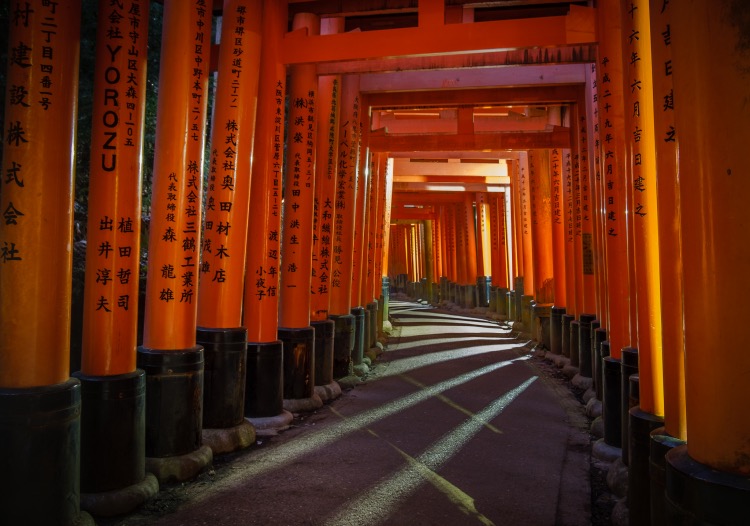
What makes a successful photograph?
Successful photographs share common qualities, but obsessing over perfection often destroys what makes images powerful.
Great images usually exhibit one or more of these qualities:
- They have great lighting
- They have a clear subject
- The viewer is drawn into the image
- There is a story being told
This challenge intentionally breaks the rules around #1 and #2 to strengthen #3 and #4.
When you stop chasing technical perfection, you start capturing emotion, mood, and decisive moments that matter more than sharpness or proper exposure.
Here’s what happens when you master technical rules then deliberately break them: you begin developing your own photographic style.
You discover which “imperfections” speak to you.
You learn which broken rules create the mood you want.
You stop copying other photographers and start creating images that look distinctly yours.
This is how personal vision emerges – through experimentation, rule-breaking, and choosing what matters to you over what’s technically correct.
What is wabi-sabi?
Wabi-sabi is a Japanese aesthetic and philosophy that finds beauty in imperfection, impermanence, and incompleteness. Understanding this concept transforms how you see potential photographs everywhere around you.
Wabi-sabi is a beauty of things imperfect, impermanent, and incomplete. It is a beauty of things modest and humble. It is a beauty of things unconventional.
Leonard Koren, Wabi-Sabi for Artists, Designers, Poets & Philosophers
The term comes from two Japanese words, each carrying deep meaning:
Wabi originally meant the misery and loneliness of living in nature, away from society. It refers to an austere, natural state. Today wabi means recognizing beauty in humble simplicity – inviting us to detach from material vanity and experience spiritual richness instead. Wabi asks you to open your heart to things others overlook.
Sabi means chilled, lean, and withered. It refers to a lonely, melancholic sense of impermanence in life. Sabi concerns the passage of time, how all things grow, age, and decay, and how that process manifests beautifully in objects. Beauty hides beneath the surface of what we see, even in what initially appears broken or dying.
The Three Core Principles
Understanding these principles helps you recognize wabi-sabi subjects everywhere:
- All things are impermanent – nothing lasts forever
- All things are imperfect – nothing achieves flawless perfection
- All things are incomplete – nothing is ever truly finished

Wabi-sabi sits between philosophy and visual aesthetic.
It’s both a way of being and a way of looking at things we might label as imperfect and seeing them as beautiful instead.
As photographers, we experience this duality daily – we observe the world while making visual choices about what to capture and how to present it.
Having visited Japan, I’ve experienced wabi-sabi in architecture, gardens, tea ceremonies, and everyday life. The Japanese embrace aging wood that weathers to silver-gray. They celebrate pottery with irregular glazes and asymmetrical forms. They find beauty in moss-covered stone lanterns and fallen cherry blossoms.
This philosophy permeates their culture and offers photographers a completely different lens for seeing the world.
Why does perfectionism hurt your photography?
Perfectionism creates paralysis. You know this pattern if you’ve experienced any of these:
- Obsessing over perfect exposure every single time
- Deleting images immediately because they’re not 100% tack sharp
- Building wish lists of expensive gear you believe you “need” for perfect images
- Photographing only conventionally pretty subjects (perfect flowers, stunning sunsets, flawless portraits)
- Avoiding subjects that aren’t beautiful by Western standards (withered flowers, decaying buildings, aging people, everyday objects)
- Comparing your work constantly to professional photographers and feeling inadequate
- Shooting less because you’re afraid of producing imperfect results
- Spending more time researching gear than actually photographing
Does any of that resonate? It certainly does for me.
I’ve struggled with perfectionism throughout my 35-year photography career. The pressure to produce flawless images stops you from experimenting, taking risks, and shooting freely. Perfectionism makes you fearful instead of playful.
Your digital camera captures incredible detail and creates technically perfect images. Modern sensors handle high ISO beautifully. Autofocus systems track subjects with precision. Image stabilization eliminates camera shake. Post-processing software fixes nearly every technical flaw.
But remember this: just because we have the technology to create perfection doesn’t mean we should always use it that way.
Wabi-sabi is the antithesis of the Classical Western idea of beauty as something perfect, enduring, and/or monumental. In other words, wabi-sabi is the exact opposite of what slick, seamless, massively marketed objects, like the latest handheld wireless digital devices, aesthetically represent.
Leonard Koren, Wabi-Sabi: Further Thoughts
Western culture celebrates perfection, youth, newness, and flawlessness. Advertising shows airbrushed models. Magazines feature pristine landscapes. Social media rewards technically perfect images with engagement.
This constant exposure to manufactured perfection makes us forget that real beauty exists in decay, age, wear, and impermanence.
Wabi-sabi photography offers liberation from this perfectionist trap.
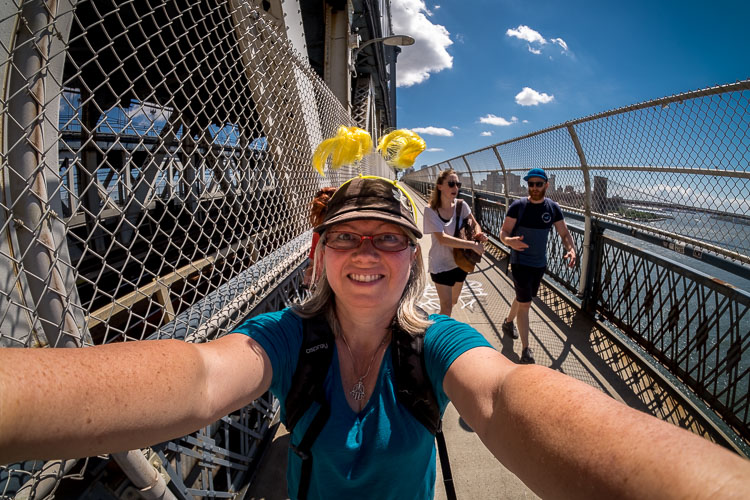
How does wabi-sabi apply to photography?
Wabi-sabi photography embraces the opposite of perfectionism – on purpose. You actively seek imperfections to photograph. You deliberately create technically “flawed” images. You look for subjects others overlook: broken things, decayed surfaces, humble everyday objects, weathered textures.
This approach means:
Choosing imperfect subjects:
- Photographing the withered flower instead of the perfect bloom
- Selecting the crumbling wall over the pristine facade
- Finding beauty in rust, decay, and deterioration
- Noticing humble everyday objects others walk past
- Shooting subjects society considers ugly or unwanted
Creating imperfect images:
- Adding grain and noise intentionally
- Using blur for mood and emotion
- Employing “wrong” camera settings on purpose
- Experimenting with techniques that produce unpredictable results
- Accepting happy accidents instead of deleting them
Embracing a different mindset:
- Valuing emotion over technical precision
- Choosing storytelling over sharpness
- Prioritizing mood over perfect exposure
- Focusing on the decisive moment regardless of settings
- Finding beauty where others see only flaws
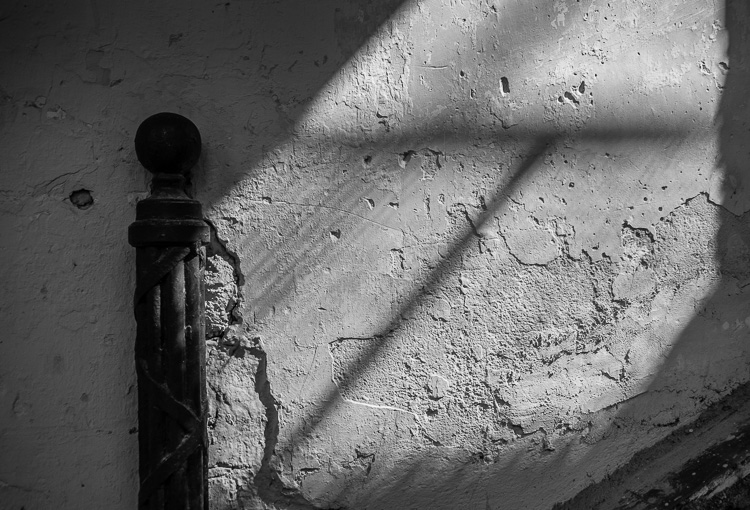
You make clear, conscious decisions to notice and appreciate imperfection. This opens your eyes to see differently and discover subjects everywhere. Once you start looking through a wabi-sabi lens, you’ll never lack subjects to photograph. The entire world becomes your studio.
What subjects embody wabi-sabi principles?
Look for these three principles everywhere you go. Train your eye to spot them in your daily environment.
Nothing Lasts – Impermanence
Photograph things showing the passage of time and inevitable decay:
- Crumbling buildings with peeling paint
- Rust spreading across metal surfaces
- Weathering on wood, stone, and concrete
- Withered plants, fallen leaves, dying flowers
- Erosion patterns in rock and soil
- Abandoned objects left to the elements
- Forgotten places reclaimed by nature
- Fading graffiti and worn signage
Nothing is Perfect – Imperfection
Seek subjects displaying flaws, asymmetry, and irregularity:
- Cracks spiderwebbing through walls and pavement
- Broken items still serving their purpose
- Asymmetrical compositions and irregular shapes
- Subjects society deems ugly (insects, snakes, aged faces)
- Urban decay and neglected infrastructure
- Flawed textures revealing history and use
- Imperfect patterns in nature
- Tools showing years of wear
Nothing is Finished – Incompleteness
Capture moments and objects that feel unresolved or transitional:
- Books left open mid-read
- Partially washed cars or unfinished cleaning
- River stones forever changing shape
- Construction or renovation in progress
- Meals being prepared but not plated
- Stories told through fragments instead of complete scenes
- Partially visible subjects cropped intentionally
- Moments caught between beginning and end
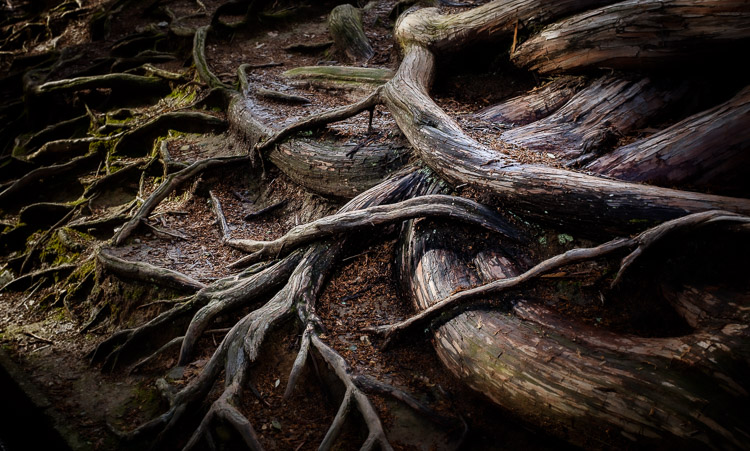
Walking through any neighborhood reveals dozens of wabi-sabi subjects. The challenge isn’t finding them – it’s training yourself to recognize beauty in what you previously ignored or avoided.
How do you create wabi-sabi images?
Creating wabi-sabi photographs requires both finding imperfect subjects and using techniques that produce imperfect results. Here are twelve approaches to explore during this challenge.
Movement and Blur Techniques
12 Techniques for Creating Wabi-Sabi Images
-
Movement and Blur Techniques
- Intentional camera movement Move your camera deliberately while shooting to create artistic blur. Pan horizontally, tilt vertically, or rotate in circles during exposure. This technique works beautifully for abstracts and conveying motion.
- Panning for motion blur Follow moving subjects with your camera while using slower shutter speeds. The subject stays relatively sharp while the background blurs, creating dynamic energy and sense of speed.
- Long exposures Use exposures lasting several seconds or longer to blur movement. Water becomes silky, clouds streak across skies, and people disappear into ghostly traces. This technique emphasizes the passage of time.
-
Shooting from the hip
Carry your camera at hip level and shoot without looking through the viewfinder. This produces unpredictable framing, unusual angles, and spontaneous compositions you’d never achieve through careful planning.

Use intentional camera movement like panning to practice wabi-sabi photography.
-
Technical “Mistakes” Used Intentionally
-
High ISO for grain and noise
Shoot at ISO 3200, 6400, or higher to introduce visible grain into your images. This texture adds mood, evokes film photography, and creates gritty atmosphere perfect for wabi-sabi subjects.

Shot at ISO 5000 handheld, with extra grain added in processing. - Wrong white balance Set your white balance to create unnatural color casts. Use tungsten setting outdoors for cool blue tones. Use daylight setting under fluorescent lights for green casts. Let color shift add mood.
- Deliberate over or underexposure Blow out highlights or crush shadows intentionally. Overexposure creates dreamy, ethereal moods. Underexposure produces mystery and drama. Both approaches prioritize emotion over correct exposure.
- Shoot JPG and accept results Shoot JPG instead of RAW to limit your post-processing flexibility. Accept what the camera delivers. This constraint forces you to get things closer to right in-camera and embrace unpredictability.
-
High ISO for grain and noise
Shoot at ISO 3200, 6400, or higher to introduce visible grain into your images. This texture adds mood, evokes film photography, and creates gritty atmosphere perfect for wabi-sabi subjects.
-
Creative Experiments
- Multiple exposures Layer two or more images in-camera using multiple exposure mode, or combine images later in Photoshop or Luminar Neo. Overlapping elements create dreamlike, surreal results that feel incomplete and transitional.
-
Photographing through objects
Shoot through fabric, steam, dirty windows, lensballs, fog, or clouds. These obstructions soften your subject, add atmospheric quality, and create separation between viewer and scene.

Creating atmosphere by shooting through steam. -
Partial filter coverage
Hold neutral density filters, colored gels, or other filters partially over your lens. Let part of the frame expose normally while other areas show the filter effect. This creates unusual, unconventional results.

ND filter held over 8mm fisheye lens – the filter doesn’t cover the entire view, creating deliberate imperfection. In the image above, I held a neutral density filter over the front of my 8mm fisheye lens. I knew it wouldn’t cover the entire field of view but was going for something different – the inside exposed correctly while the outer edges overexposed.
- Unexpected focal length combinations Combine unusual lenses with wabi-sabi techniques. Shoot long exposures with a fisheye. Create zoom blur with a macro lens. Pair techniques that don’t normally go together and see what happens.

The goal across all these techniques: make clear, conscious choices to create imperfection.
This isn’t sloppy photography where you accidentally get blurry images because you forgot to check your shutter speed. This is intentional exploration of what happens when you break technical rules deliberately for creative and emotional effect.
EXPERIMENT!!! I cannot stress this enough.
Ask yourself, “What if I…?” and then do it.
What if I shot this through a window?
What if I moved the camera during exposure?
What if I used the wrong lens entirely?
What if I overexposed this by three stops?
Try things that feel wrong. The discomfort signals you’re pushing boundaries and growing.
Your 30-Day Practice Plan
Commit to practicing wabi-sabi photography for the next 30 days. This challenge works differently than technical challenges – it’s about shifting your mindset and training your eye to see beauty in imperfection.
Week 1: Finding Imperfect Subjects
Walk your neighborhood, local parks, or downtown areas with wabi-sabi eyes. Your goal this week: photograph 10-15 subjects you would normally overlook or avoid.
Look for decay, weathering, cracks, rust, broken items, withered plants, and humble everyday objects. Shoot them relatively straight – no experimental techniques yet. Just practice seeing these subjects as beautiful instead of flawed.
Before each shot, ask yourself: “What imperfection attracted me here? Which wabi-sabi principle does this represent?”
Review your images daily.
Notice which subjects feel most challenging to see as beautiful. Those reveal your deepest perfectionist patterns.
Week 2: Experimental Techniques
Choose 3-5 techniques from the list above. Spend this week deliberately creating “imperfect” images using intentional blur, grain, wrong settings, multiple exposures, or other creative approaches.
Shoot 15-20 experimental images. Try different techniques with the same subject to see how each approach changes the mood and message.
Push past your discomfort with technical “mistakes.” When you look at a blurry image and feel the urge to delete it, stop. Sit with that discomfort. Ask what the blur adds instead of what it takes away.
Week 3-4: Combining Philosophy and Technique
Now bring together everything you’ve practiced. Photograph imperfect subjects using experimental techniques that enhance their wabi-sabi qualities.
Look for decay and photograph it with motion blur. Find humble objects and shoot them with grain and high ISO. Discover incomplete moments and capture them with multiple exposures.
Match your technical approach to the philosophical concept.
Create 20+ images that embody both the wabi-sabi mindset and the wabi-sabi aesthetic.
Review your work weekly.
Which images make you most uncomfortable? Those probably represent your biggest growth areas. Which images feel most authentic to you? Those point toward your developing style.
Success Markers
You’ll know this challenge is working when:
- You notice beauty in subjects you previously ignored or dismissed
- Technical “flaws” in images stop bothering you automatically
- You experiment freely without fear of failure or wasted shots
- Emotion and mood matter more to you than perfect sharpness
- You stop comparing your work to other photographers
- You shoot more frequently and joyfully
- You catch yourself seeking imperfect subjects naturally
- Deleting images feels less automatic and more considered
Challenge Instructions
Duration: 30 days
Goal: Shift from perfectionism to appreciating and creating imperfection
Shooting approach: Find imperfect subjects + use experimental techniques
Step 1: Study the three wabi-sabi principles (impermanence, imperfection, incompleteness)
Step 2: Practice seeing beauty in decay, flaws, weathering, and humble subjects
Step 3: Choose 3-5 experimental techniques to explore and master
Step 4: Combine wabi-sabi subjects with wabi-sabi techniques deliberately
Step 5: Embrace discomfort when images feel “wrong” – that signals growth
Week 1-2 Focus: Find imperfect subjects. Train your eye to see wabi-sabi beauty everywhere.
Week 3-4 Focus: Create imperfect images intentionally. Break technical rules with purpose.
30 days of wabi-sabi practice breaks perfectionist patterns permanently. This month-long commitment allows the philosophy to sink deep into your creative process and transform how you see the world.
Give yourself this full month to experience the shift.
Get More Challenges Like This One
What makes wabi-sabi different from sloppy photography?
This question matters because this challenge isn’t permission to become careless or lazy. The opposite, actually.
Wabi-sabi requires heightened awareness and intentionality. You notice details others miss. You see beauty in places they overlook entirely. You make deliberate, conscious choices about imperfection rather than passively accepting accidental mistakes or technical errors.
Understanding the difference keeps you growing instead of regressing:
Sloppy photography:
- Blurry image because you didn’t check your shutter speed
- Noisy image because you forgot to lower ISO after shooting indoors
- Poor composition because you didn’t look carefully at your frame
- Wrong white balance because you left it on an incorrect setting
- Overexposure because you didn’t monitor your histogram
Wabi-sabi photography:
- Intentional blur added to convey motion, emotion, or dreamlike quality
- High ISO grain chosen deliberately for mood, texture, and atmosphere
- Unconventional composition that breaks rules with purpose and vision
- Color shifts created through wrong white balance to enhance feeling
- Overexposure used to create ethereal, otherworldly mood
See the distinction? One approach happens through inattention and carelessness. The other happens through heightened attention and purposeful choice.
You’re developing what I call “eagle eyes” – the ability to spot potential photographs everywhere and make conscious decisions about how to capture them. This skill serves you whether you’re shooting wabi-sabi subjects or creating technically perfect images. The awareness remains constant.
I want you to slow down and look at the world, experiencing life at a more deliberate pace. Don’t rush to complete this challenge in a weekend. Take the full 30 days. Let the concept sink into your consciousness and change how you observe everything around you.

What will you discover through this challenge?
Photographers who embrace imperfection report unexpected benefits beyond improved images. The mindset shift affects how they approach all of photography and often life itself.
Creative Blocks Disappear
When perfectionism no longer paralyzes you, creative blocks vanish. You stop overthinking every shot. You experiment freely because “failures” become learning experiences instead of sources of shame. Your output increases dramatically when you’re not deleting half your images immediately.
Shooting Becomes Joyful
Photography feels playful again instead of stressful. The pressure to produce perfect work lifts. You rediscover why you fell in love with photography in the first place – the joy of seeing, capturing moments, and creating something from nothing.
Technical Obsession Lessens
You stop researching gear constantly and obsessing over technical specifications. The camera in your hands becomes sufficient. You realize that vision, observation, and emotional connection matter infinitely more than owning the newest equipment or sharpest lens.
Emotional Storytelling Improves
When technical perfection stops being your primary goal, you focus naturally on what the image communicates emotionally. You ask better questions: What does this make viewers feel? What story does this tell? Does the mood match my intent? These questions create stronger photographs than “Is this sharp enough?”
Fear of Bad Images Vanishes
You stop deleting images reflexively. You review work with curiosity instead of judgment. Some images that initially feel like failures reveal beauty days or weeks later when you view them with fresh eyes. Keeping “imperfect” images teaches you about your developing style.
Subjects Appear Everywhere
Once you train yourself to see wabi-sabi beauty, you never lack subjects. Every neighborhood, every building, every walk reveals dozens of potential photographs. The world transforms from photographically sparse to overflowing with opportunities.
The shift from pursuing perfection to appreciating imperfection transforms your entire relationship with photography. You become more observant, more creative, more productive, and significantly more satisfied with your work and your process.

How does this connect to better photography overall?
Wabi-sabi practice develops skills that improve all your photography, regardless of subject matter or style.
Observation Skills Deepen
Training yourself to see beauty in overlooked subjects makes you notice potential photographs everywhere. This heightened awareness transfers directly to all shooting situations. You spot light, composition, moments, and subjects others walk past without seeing.
After practicing wabi-sabi photography, you’ll notice decay in beautiful architecture, age in portraits, impermanence in landscapes, and incompleteness in street photography. Your expanded visual vocabulary enriches every image you create.
Emotional Storytelling Strengthens
When technical perfection stops being your primary measure of success, you naturally focus on what the image communicates. You prioritize capturing feeling, mood, atmosphere, and decisive moments – elements that make photographs memorable and meaningful.
Technical skills matter, but they serve the story. Wabi-sabi practice reorders your priorities correctly: emotion first, technique second. This hierarchy produces stronger work across all photography genres.
Creative Confidence Builds
Breaking rules deliberately teaches you which rules matter and which don’t. You develop judgment about when to apply technical precision and when to ignore it for creative effect. This discernment defines mature photographers who create distinctive work instead of following formulas.
You also build confidence to trust your vision even when it contradicts conventional wisdom. This creative courage separates photographers who develop unique styles from those who endlessly copy others.
Freedom From Fear Develops
Embracing imperfection means accepting that not every image needs to be portfolio-worthy. This freedom allows you to experiment more, shoot more, and take creative risks. More shooting leads to faster improvement. More experiments lead to unexpected discoveries.
Fear kills creativity. Wabi-sabi practice kills fear.
Technical Foundation Matters More
Paradoxically, breaking rules effectively requires understanding rules thoroughly. Inside our Photography Basics course, you’ll learn the technical fundamentals that make rule-breaking meaningful instead of accidental.
Understanding proper exposure helps you deliberately over or underexpose for mood with intention. Knowing focus principles helps you create blur meaningfully rather than randomly. Mastering composition rules helps you break them purposefully for emotional effect.
Learn the rules. Master the rules. Then break them with full awareness of what you’re doing and why.
This challenge also connects to Challenge #8 in our 10 Photography Challenges ebook: “Look at Art, Lots of It!” Studying how painters, sculptors, and other artists embrace imperfection, asymmetry, and decay informs your wabi-sabi photography practice. Artists across all mediums understand what photographers sometimes forget – technical perfection often produces sterile work lacking soul.
More examples of wabi-sabi photography
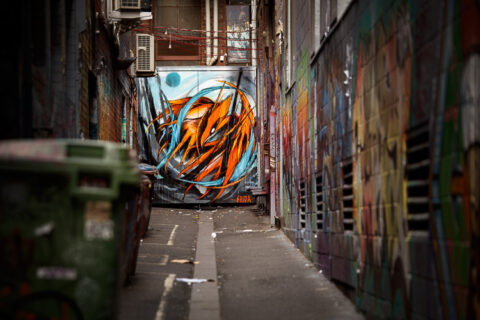
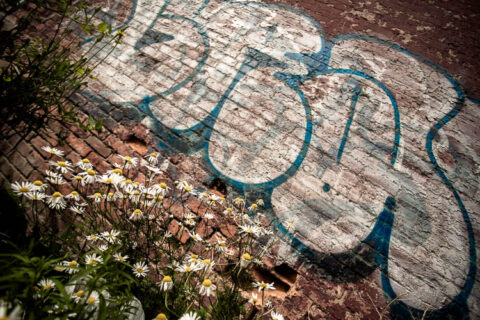
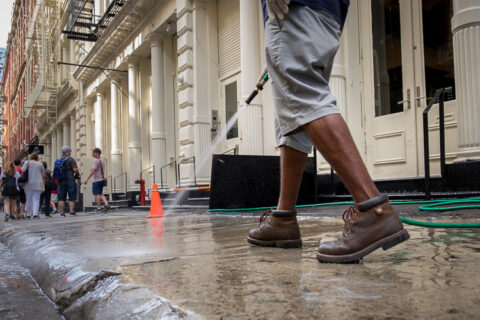
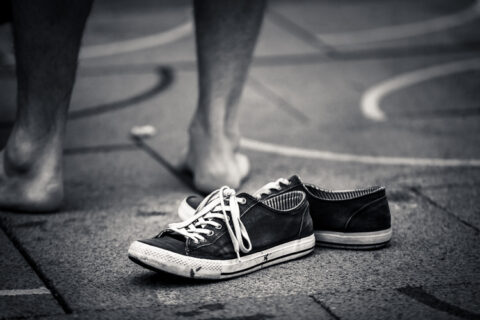
These images illustrate different approaches to wabi-sabi subjects and techniques. Notice how each embraces some form of imperfection while creating emotionally engaging photographs.




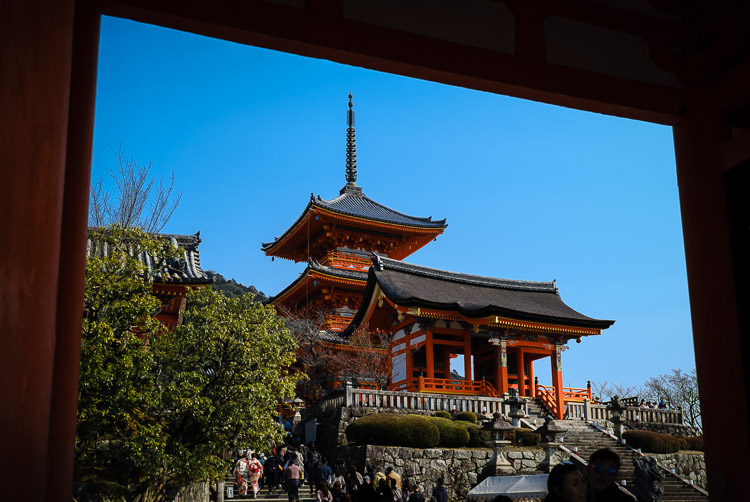
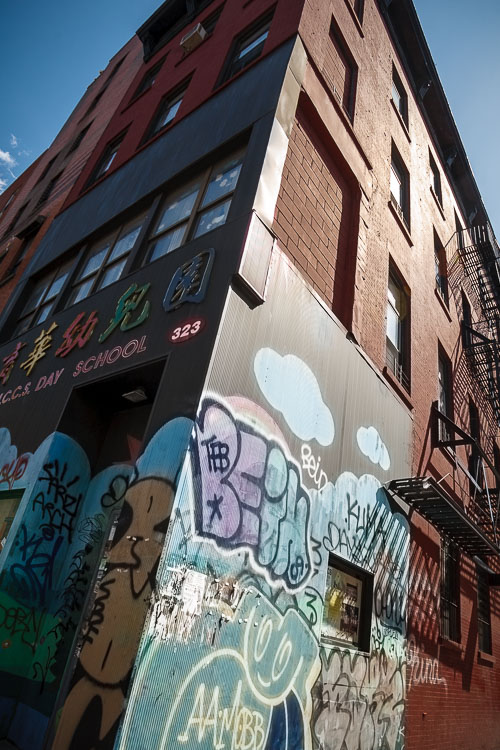
Abstract Experiments With One Scene

The images below were all created from the same scene shown above. I used a tripod and varied shutter speeds from 1 to 3 seconds, combining this with zoom blur techniques. Then I manipulated the Curves in Lightroom to shift colors and create even more abstract results.
This series demonstrates how one subject produces dozens of wabi-sabi variations through experimental techniques and post-processing choices.
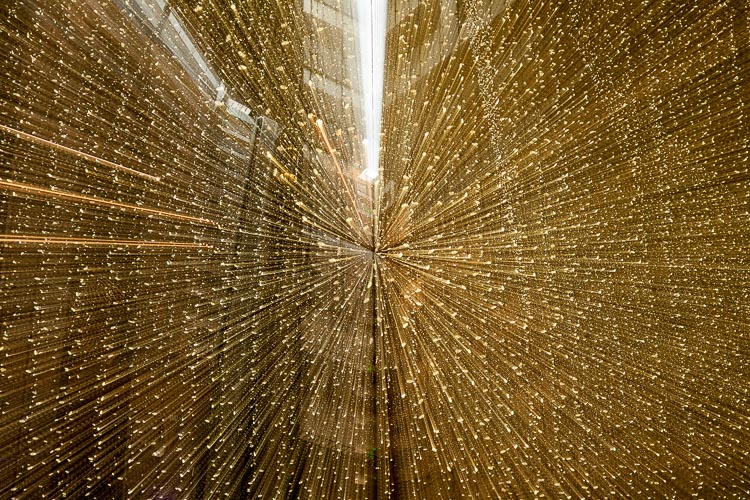


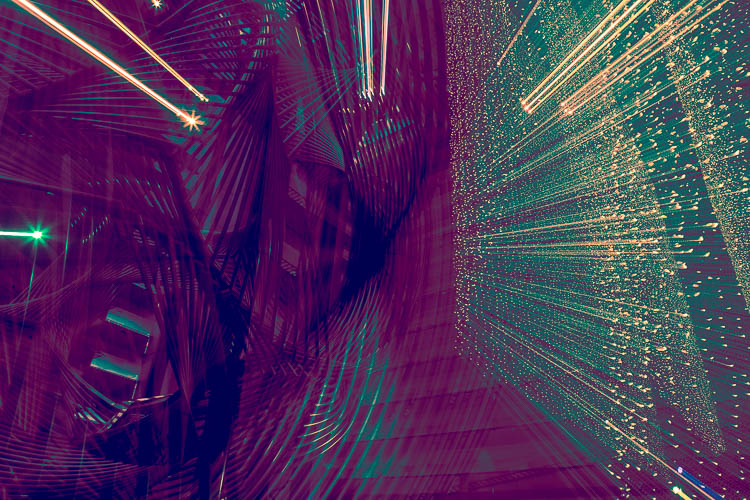

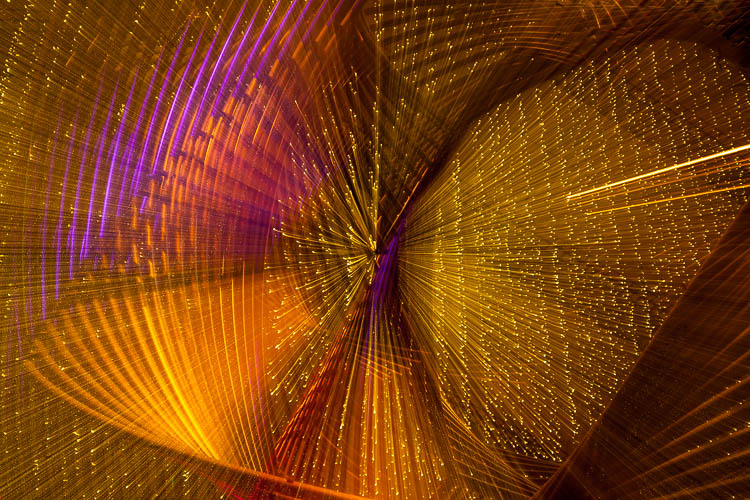

Doesn’t it look like the leap to hyperspace or warp drive? My fellow Star Wars fans and Trekkies will get that reference.
Each variation explores imperfection differently. Some emphasize motion and impermanence. Others create incomplete, suggestive forms. All prioritize mood and emotion over technical clarity.
Learn more about creative photography techniques
- Intentional Camera Movement and Abstract Images
- Long Exposure Techniques
- How to Overcome the Fear of High ISO and Take Sharper Photos
- Mobile Phone Photography Tips – Cell phone shooting is inherently less perfect, making it ideal for wabi-sabi
Further Reading on Wabi-Sabi Philosophy
- 5 Teachings From The Japanese Wabi-Sabi Philosophy That Can Drastically Improve Your Life – web article exploring life applications
- Wabi-Sabi for Artists, Designers, Poets & Philosophers by Leonard Koren – the definitive introduction to wabi-sabi aesthetics
- Wabi-Sabi: Further Thoughts by Leonard Koren – deeper exploration of the philosophy
- Wabi-Sabi Photography Article – valuable insights on applying this concept to daily photography practice
Ready for more challenges?
New to our challenges? This wabi-sabi exercise is one of dozens we’ve created to help photographers build specific skills through focused practice. Download our free 10 Photography Challenges ebook and get foundational exercises including “Look at Art, Lots of It!” (Challenge #8) which explores how studying other artists’ work – including those who embrace imperfection – develops your photographic vision.
Already working through our challenges? Join the DPM Community where photographers share their challenge results, get feedback, and stay accountable. Share your wabi-sabi discoveries with others who understand the journey from perfectionism to creative freedom.
Inside our Photography Basics course, you’ll learn the technical fundamentals that make deliberate rule-breaking meaningful. Understanding exposure, focus, composition, and light helps you break those rules with intention rather than accident. Master the technical foundation so your creative experiments produce powerful results instead of random mistakes.
Get out there and be imperfect
Look around you right now. Beauty surrounds you in forms you’ve trained yourself to ignore. Peeling paint on your neighbor’s fence. Rust on a forgotten bicycle. Cracks in sidewalk concrete. Withered leaves from last season. Everyday objects arranged imperfectly on your kitchen counter.
These subjects wait for you to notice them, appreciate them, and photograph them with the respect they deserve.
For the next 30 days, practice seeing the world through wabi-sabi eyes. Find beauty in decay. Photograph flaws with reverence. Create imperfect images with intention. Break free from perfectionist patterns that have held you back.
Learn to see beauty in a world of imperfection and embrace it fully in your photography. This is how creative freedom feels.
Cheers,