Dragging your tripod out of the closet and into the field might feel like a chore, but this challenge will show you why it’s one of the best tools for improving your photography.
TL/DR: Use your tripod every time you shoot over the next few weeks. You’ll improve sharpness, learn to slow down, and start paying attention to the light, your settings, and your subject like never before.
Why the tripod matters
This one will push your boundaries. But if you’re ready and motivated to grow, this tripod challenge could be exactly what you need.
Many photographers own a tripod but rarely use it. It sits in the car, or the closet, even when it’s most needed. Indoors, in dim light, or during blue hour.
They’d rather crank the ISO and get photos that are noisy, then get out the tripod and actually use it.
Digital photography has made things easy. But sometimes, that ease makes us lazy.
If that sounds familiar, you’re not alone. Even I’m guilty of skipping the tripod when I know I shouldn’t.
Any of these excuses ring a bell?
- It’s too cold out. I want to shoot fast and get back inside.
- My tripod is heavy. I don’t want to carry it.
- My tripod’s not sturdy. I can do better handheld.
- I can just lean the camera on a fence or rock.
- People are waiting for me. I need to hurry.
- I forgot it.
- I lost the tripod plate.
- I hate my tripod.
- I don’t own one.
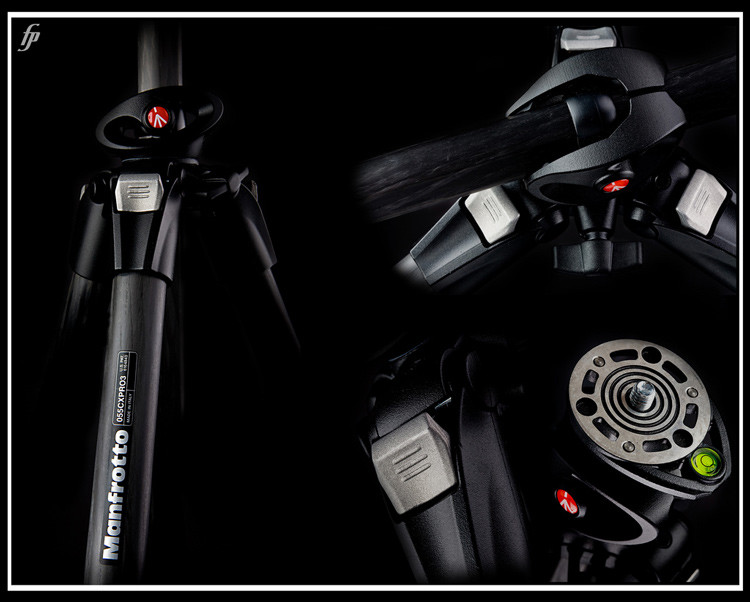
If #2, #3, #8, or #9 sound like you, read this first: Stress-Free Tips for Buying a Tripod
What is a tripod used for?
A tripod keeps your camera stable for sharp images, enables night photography and long exposures, and lets you lower your ISO for cleaner files. Beyond technical benefits, a tripod frees your hands to connect with your subjects and forces you to work with intention. After 35 years of teaching photography, I’ve watched thousands of students improve their work simply by slowing down and using this tool consistently.
Technical benefits you’ll see immediately
- Eliminates camera shake by keeping everything rock steady, for tack-sharp photos at any shutter speed
- Enables low-light shooting without raising ISO to noisy levels
- Supports long exposures for night scenes, water blur, and light trails
- Maintains consistent framing across multiple shots for HDR or focus stacking
“I went to Montreal a few weeks ago. I did a lot of outdoor daytime shooting and ALL my shots were taken on my tripod except for some panoramic skyline shots and some ground level shots of the snow. And of course all my indoor shots were on my tripod as well. I found that my shots were all tack sharp, and looked so much better than if I had done them hand held, and because it takes time to set up the tripod shot, I found that I spent a lot more time choosing my composition and framing of my shots. I can notice a definite improvement in the quality of my photos now.” – Kim Passmore
Technical improvements are always important, but what might completely change your experience behind the camera is being forced to slow down, and being able to connect with people in front of the camera.
Photographing people with a tripod
When your camera is locked in place, you can step back and make eye contact with your subject. That connection matters, especially when photographing kids or nervous adults.
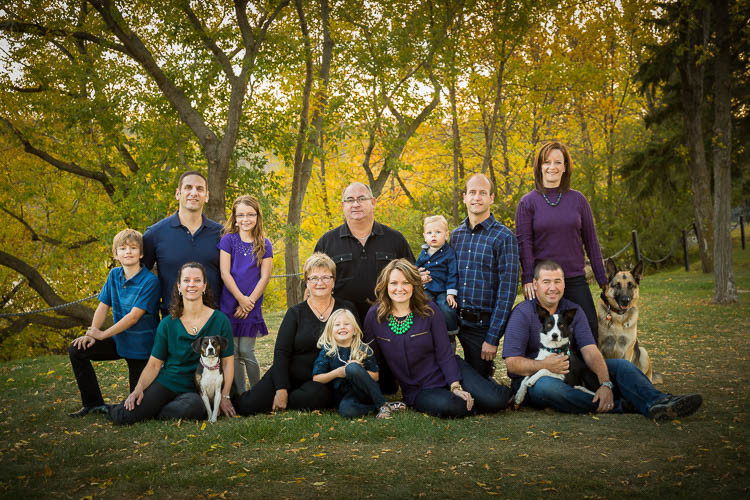
People want to look at a face, not a lens.
Try putting your camera on a tripod and using a remote shutter. The dynamic shifts.
You’ll get more natural expressions and better engagement from your subjects.
“I had not used a tripod until recently so for me it is a huge challenge. Initially I found it very awkward but I am surprised how quickly one adapts. I still feel rather conspicuous when using and haven’t done any portrait shots yet. Once tripod is set up I do find it feels better having hands free and engaging with subject of interest on a different level.” – Mary James
Most people are nervous when they are being photographed – in fact, I recommend that you try it yourself.
Go get photos done of yourself, or your family, so you can experience what it’s like to be in front of the camera. You can hire a professional, or get a fellow camera buff to take photos of your family, and you take photos of theirs as a swap.
The bottom line is, staring at a thing, the front of your lens – does NOT help people relax. They don’t know if they’re doing it right or not. They need your guidance, and usually just talking to them is the best way to get people to loosen up.
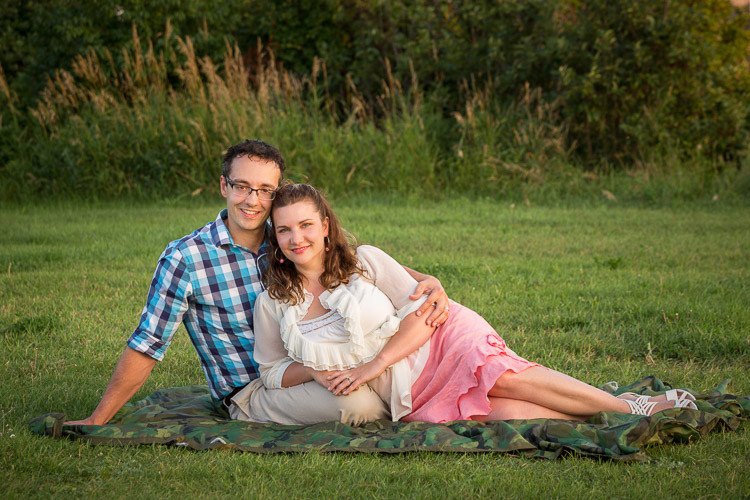
By putting your camera on a tripod, and using a remote trigger to fire it, the interaction shifts to a more personal one and you will get better expressions from your subjects.
Slowing down makes everything better
We live in a fast world. This challenge is your reminder to slow down, and your tripod helps you do it. When you use a tripod, you’re forced to stop, look carefully, and check your settings.
You notice your exposure.
You evaluate the light.
You adjust composition.
You take the time to get it right in-camera.
Rushing leads to missed focus, weird color, poor lighting, and dull compositions. A few extra seconds can make all the difference.
Make this your new approach: “I take my time when shooting and get it right in-camera. Fixing it later is not an option. Slow and steady wins the prize.“
“This challenge caused me to become familiar with the new tripod and more comfortable with using it. In the past, I only used the tripod for night shots and landscape shots. Now, however, I am quit comfortable with using it for portrait shots as well. It only took two or three sessions to attain that level of comfort. The greatest improvement I’ve noticed is better focus with less blur than before. In the future, I will have no problem making sure my tripod is with me whenever and wherever I am photographing. Referencing your challenge title, “I am now one with my tripod.” – Eugene Shuler
How to review your image: Try C S L S C
Use this simple checklist every time you shoot:
- C – Camera Settings: Check exposure, white balance, ISO, aperture, and shutter speed
- S – Sharpness: Zoom in and confirm your focus and depth of field
- L – Lighting: Ask yourself if the light supports your story
- S – Subject and Story: Is it clear what this photo is about?
- C – Composition: Does the framing support your subject?
Challenge Instructions
Try this over the next six weeks:
Use your tripod every time you shoot over the next six weeks, even when it feels inconvenient. If you’re photographing fast action and it’s not practical, consider that your one pass.
As you go, take notes or keep a journal. Notice what’s different when you slow down.
Does your sharpness improve?
Do you find yourself thinking more about composition or lighting?
If you’re part of the DPM Community or one of our course students, we’d love for you to share your results in the group. Show us one of your favorite tripod shots and tell us how the experience went:
- Was it frustrating at first?
- Did your results improve with practice?
- Have you started using your tripod more often?
If you’re not yet a member, this is the kind of supportive space you’ll find inside, full of photographers tackling the same kinds of challenges.
I hope to speak with you in the community.
Cheers,