Why study famous photographers? Because photography didn’t begin with Instagram or smartphone cameras—it began with inventors, war correspondents, street visionaries, and visual poets who shaped how we document the world. The photographers featured in this list didn’t just take pictures, they pioneered techniques, captured turning points in history, and redefined art. It doesn’t matter if it’s the haunting eyes of McCurry’s Afghan Girl or the bold modernism of Stieglitz’s The Steerage, these images live on because they changed how we see. Learning their stories is more than education. It’s creative fuel for any photographer striving to grow.
TL/DR: This article celebrates 25 iconic photographers who shaped the craft and culture of photography—from pioneers like Niépce and Daguerre to modern legends like Steve McCurry and Richard Avedon. Hildebrandt emphasizes the value of studying photography’s history to better understand what makes a truly great photograph. She shares personal reflections, historical context, and visual examples like Alfred Stieglitz’s The Steerage and Lange’s Migrant Mother, encouraging readers to find their photographic heroes.
Why is the history of photography important?
Having a better understanding of the history of your craft, and those that helped form it, will undoubtedly help make you a better photographer. If you strive to take great photographs, studying the work of the masters, these famous photographers, will give you insight into just what IS a great photograph and what makes it great.
If you strive to take great photographs, study the work of masters. – Darlene HildebrandtClick to PostWhat makes a great photograph great?
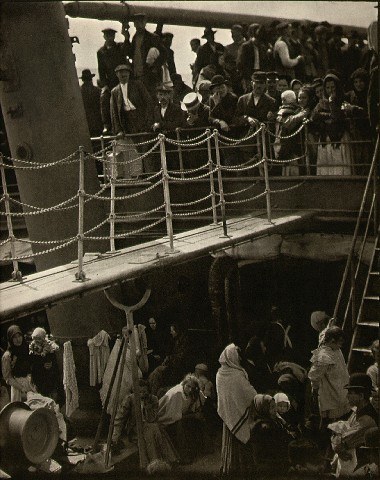
Years ago when I was in photography college one of my instructors showed us an image by Alfred Stieglitz called The Steerage and raved on and on about it.
I didn’t get why it was so great. I truly did not understand the image, or its significance, until well into my career, when I finally had my epiphany and “got it”.
I will let you form your own opinion and understanding of this image by doing your own research. It’s a great image to study.
The lesson here for me, and you if you are willing to take it on, is that there is deeper meaning in many of history’s great photographs if only you take the time to look at them a bit closer.
Many of the most famous photographers in history created work that transcends time, offering lessons in composition, emotion, and storytelling.
All the greats have heroes, get yourself one
Think about your favourite sports star or celebrity.
Inevitably at some point, they will be asked who their hero or heroine is, and they all have one.
It’s the one that made them get into their field, the one that keeps them striving for excellence. It may be someone living, but perhaps not.
If you are a hockey fan you will probably know that Wayne Gretzky’s hero was Gordie Howe, whom he eventually met, smashed most Gordie’s records and even played alongside him in a game or two.
Just as athletes look to legends, aspiring photographers can draw inspiration from famous photographers who came before them.
Having a hero is a great motivator and gives you something to work towards.
I’ve compiled a list of some iconic or famous photographers and photography pioneers throughout history to get you started. This list is not exhaustive by any means, but rather the ones that have meant something to me.
25 Famous Photographers in History
In no particular order:
-
Joseph Nicéphore Niépce
in 1825 he created what is generally considered the world’s first photograph. So he should rank as #1 on any list because without his invention, we wouldn’t be having this discussion. Niépce should be the most famous photographer, all things considered.
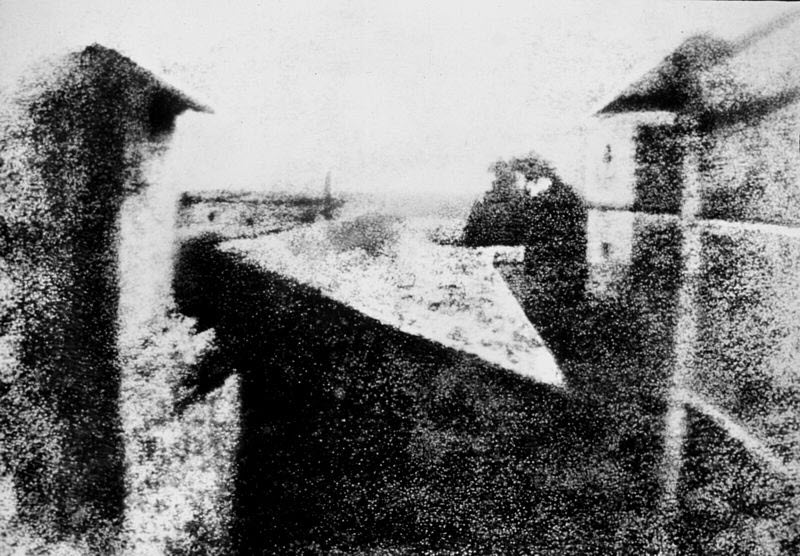
First ever photo – “View from a window” -
Alfred Stieglitz
A prominent photographer in history, he played a large part in photography becoming thought of more as art at the turn of the century (1900s). He was married to painter Georgia O’Keefe and his iconic images of New York City of the period are true works of art.
The Terminal by Alfred Stieglitz -
Margaret Bourke-White
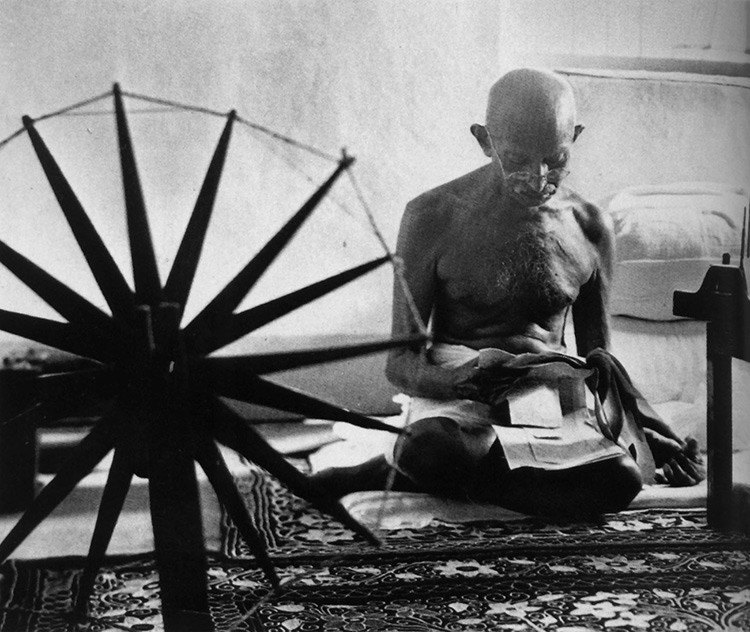
one of the early women photojournalists and photographer for LIFE magazine, she is one of my own personal heroes. If you can get your hands on a copy of the movie depicting her life (she’s played by Farrah Fawcett brilliantly) do so and watch it! She was known to be fearless (or crazy) and she created the last portrait of Gandhi hours before his assassination.
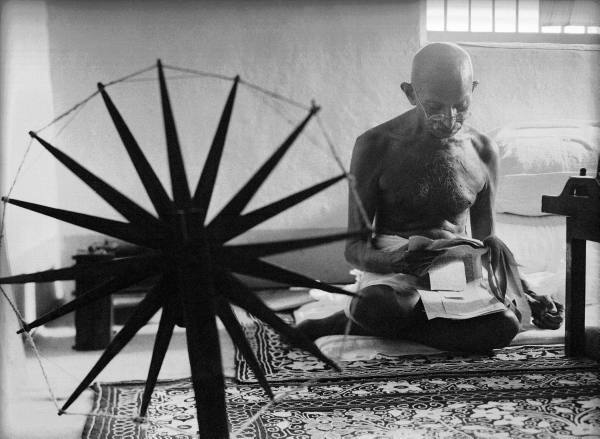
Gandhi by Margaret Bourke-White ©LIFE -
Henri Cartier-Bresson
French photographer, considered by many historians to be the “father of photojournalism”. He was a master of street photography or “candids” and coined the phrase “The Decisive Moment”. His is the standard to which many journalists aspire still to this day.
Seville by Henri Cartier-Bresson -
Robert Capa
A combat photographer that covered 5 different wars from the Spanish Civil War to WWII. One of the founding members of Magnum Photos (the world’s most prestigious photographic agency).
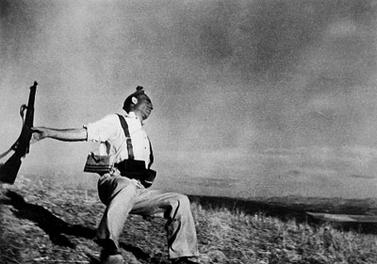
The Falling Soldier by Robert Capa -
Ansel Adams
Probably one of the most famous photographers in the nature and landscape niche. You’ve likely seen his images whether you knew the maker or not. His black and white photographs of Yosemite Valley CA are well spread in galleries, on posters and in books. A search for “Ansel Adams” on Amazon yields over 5600 results! He also created The Zone System with Fred Archer (a complex system for creating the correct exposure using black and white films and papers).
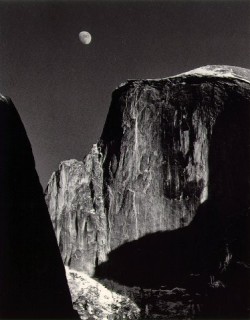
Moon and Half Dome by Ansel Adams. Image scan courtesy of Master of Photography -
Eadweard Muybridge
known for his pioneering work in motion photographic studies and motion pictures, he is often credited with having created the first movie projector. He also studied animals and motion and through his images discovered the horse’s gait includes all four feet off the ground simultaneously.
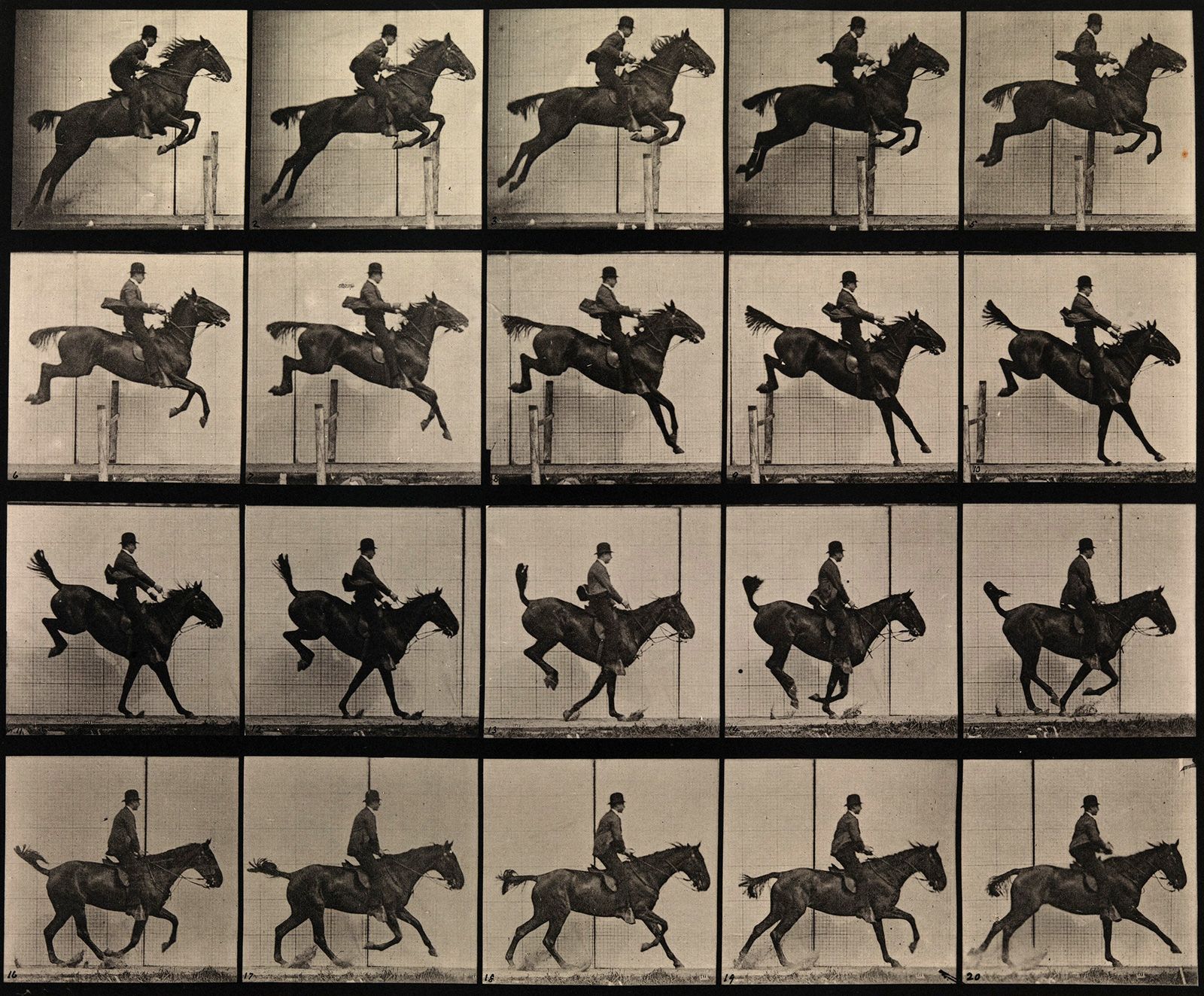
Horse in motion by Eadweard Muybridge -
Philippe Halsman
master portrait photographer of the 1940s through to his death in 1979. He holds the distinction of having more covers of LIFE magazine than any other photographer at 101. He and surrealist painter Salvador Dali had an ongoing collaboration and friendship for 37 years, from which he published the book “Dali’s Moustache”. His portraits were creative, innovative, and thought-provoking.

Dali Atomicus by Philippe Halsman -
W. Eugene Smith
World War II photographer for LIFE, and master of the photo essay, producing such notable stories as: Country Doctor, Spanish Village and Man of Mercy (on the work of Albert Schweitzer).
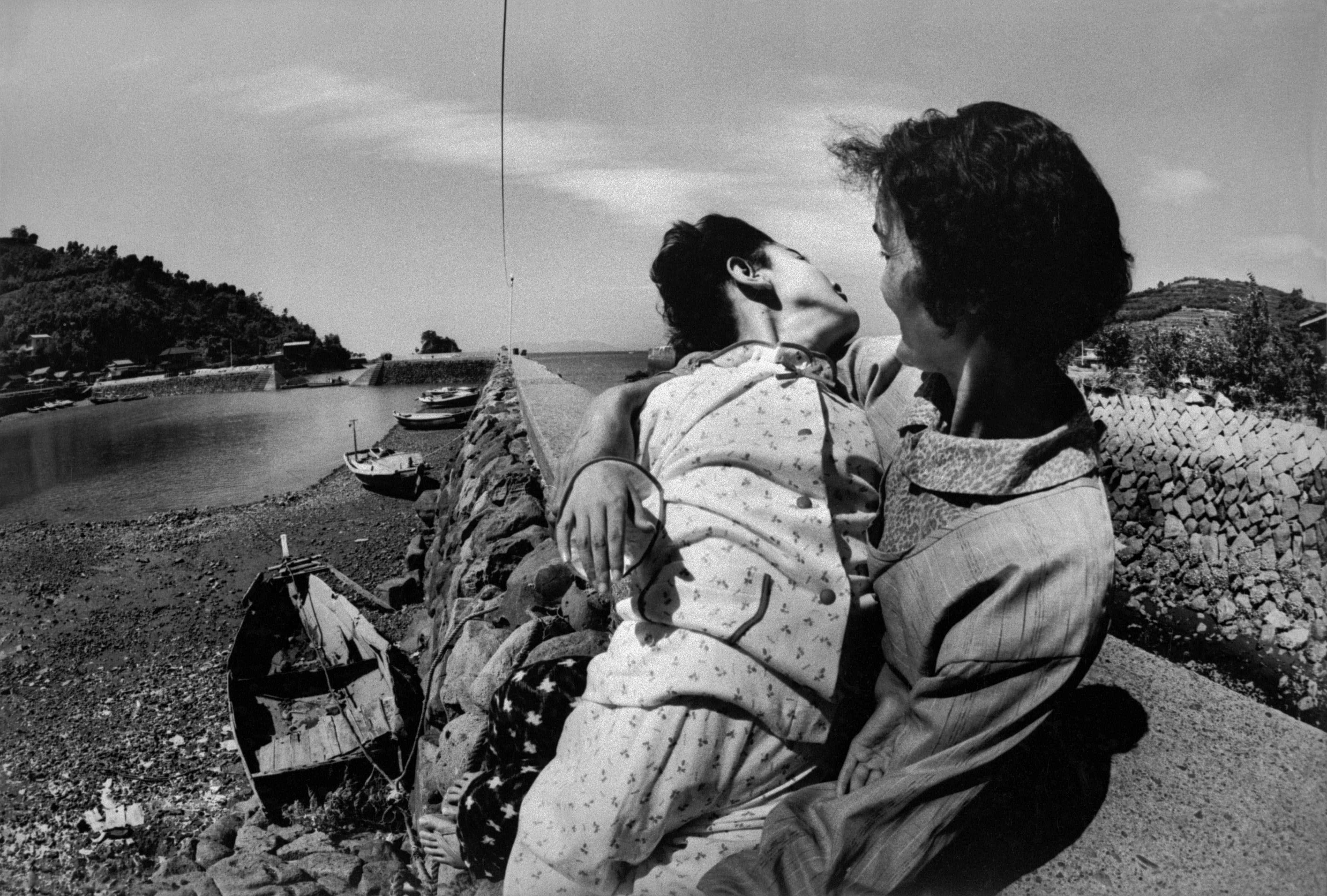
Tomoko in Her Bath by W. Eugene Smith -
Dorothea Lange
Documentary photographer and photojournalist known for her images of the Great Depression humanizing the plight of the workers and those most affected by the depression. Her iconic image “Migrant Mother” was taken in 1936 at a migrant farm workers camp. Her work went beyond photography, it was activism. Lange used her camera as a tool for social change, working for the Farm Security Administration to expose poverty and injustice. Later in life, she also documented the internment of Japanese Americans during WWII, a sobering and often overlooked part of U.S. history. She had a deep empathy for her subjects, and it shows in every frame she captured.
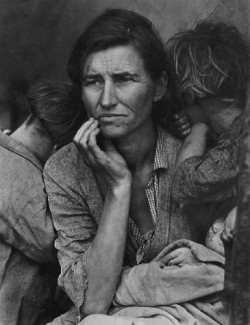
Migrant Mother by Dorothea Lange. Image scan courtesy of Master of Photography -
Edward Weston
One of the most influential photographers of the 20th century; Weston is famous for his images of natural forms, nudes, close-ups, and landscape photography. Take a look at his images of bell peppers and his abstract nudes, then tell me what you see? His legacy is now a three-generation span of photographers, his sons Cole and Brett, and grandchildren Kim and Cara.
Pepper No. 30 by Edward Weston -
Louis Daguerre
Inventor of the Daguerreotype, the first commercially used photographic process. Known as one of the key photography pioneers and fathers of the medium. Daguerre’s method. released to the public in 1839-, revolutionized visual culture. It allowed for the detailed capture of reality on polished silvered copper plates, with exposure times that were (relatively) manageable for portraiture. This gave rise to photography as both an art form and a business. The French government bought the rights to the invention and declared it a gift “free to the world,” which helped to rapidly spread photography across Europe and America. It’s hard to overstate how seismic his invention was, he took photography out of the lab and into society.
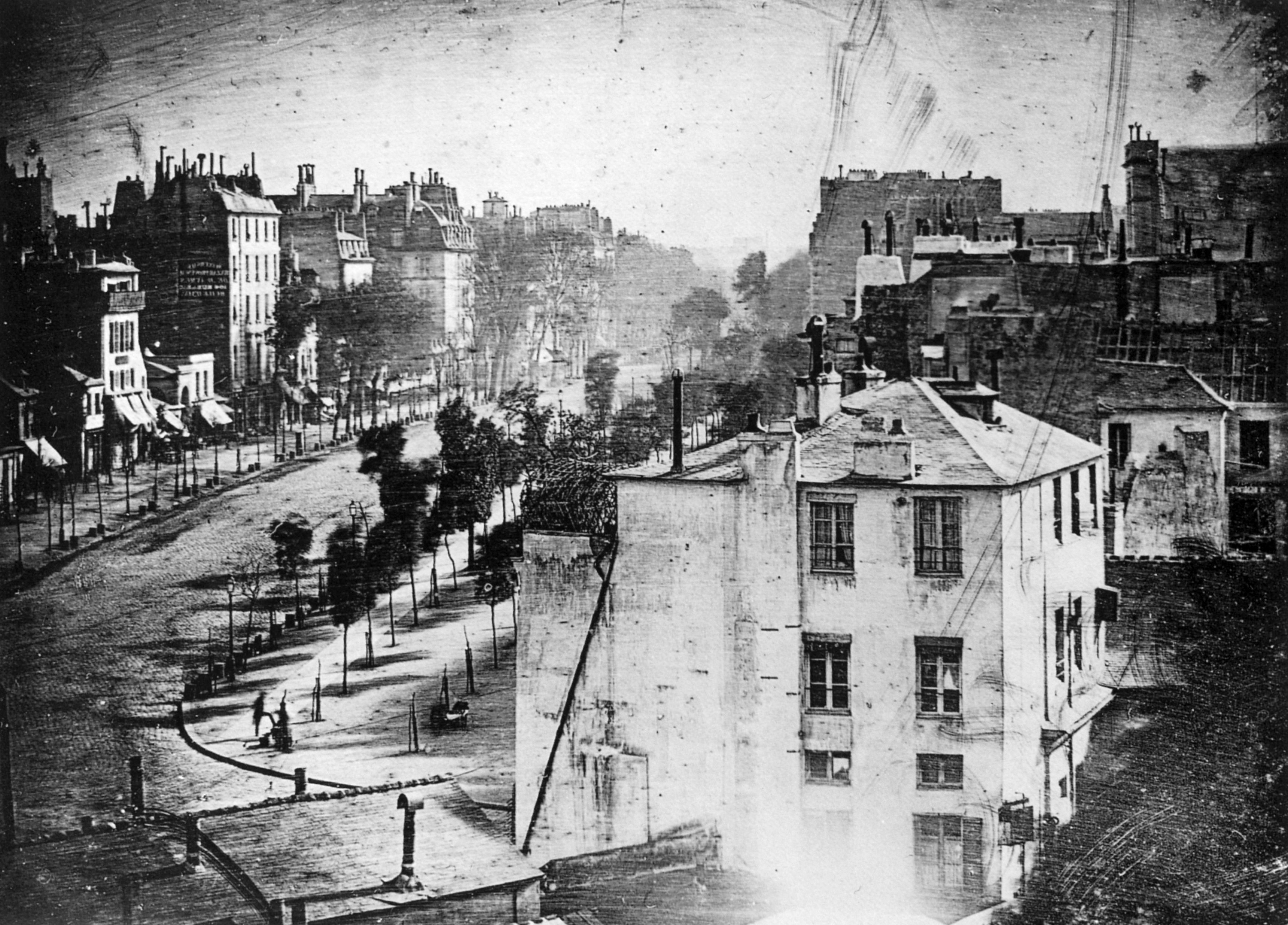
Boulevard du Temple by Louis Daguerre -
James Nachtwey
– google the term “war photographer” and you’ll find this man, due in part to a documentary of his life by the same name, produced in 2001. However, many people do consider him synonymous with the phrase. For over 30 years he covered war-torn areas, civil rights struggles, famine, and socio-political issues.
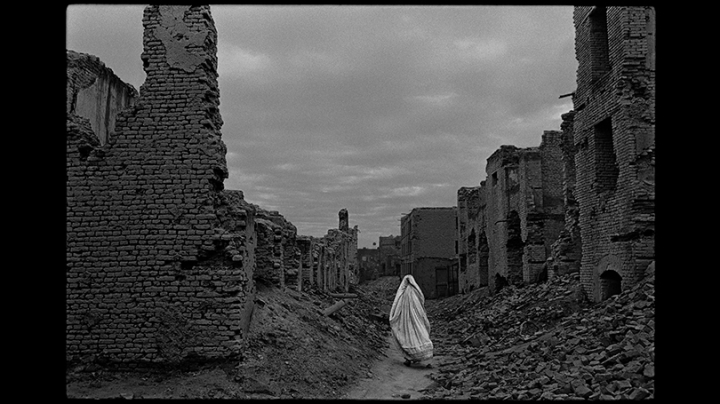
Ruins of Kabul by James Nachtwey -
George Hurrell
Master portrait photographer to the stars since 1929 when he was hired by MGM Studios. He has photographed every major Hollywood star since the early ’30s until his death in 1992. If you want to learn about portraiture and lighting I highly suggest you become familiar with his work. Hurrell didn’t just take portraits, he created legends. His work helped define the glamour of the Golden Age of Hollywood. Using dramatic lighting, sharp contrast, and masterful retouching (long before Photoshop!), he elevated actors and actresses into icons. He was known for transforming even modest beauty into screen siren status through pose, light, and shadow. His influence on Hollywood photography is still felt in modern cinematic lighting today.
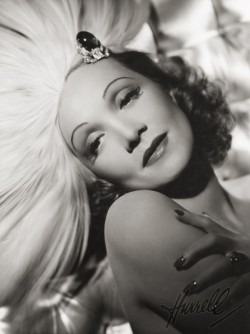
Marlene Dietrich by George Hurrell -
Lewis Hine
Documentary photographer whose images were instrumental in helping change child labor laws in the United States through his work with the National Child Labor Committee (NCLC) in the early 1900s.
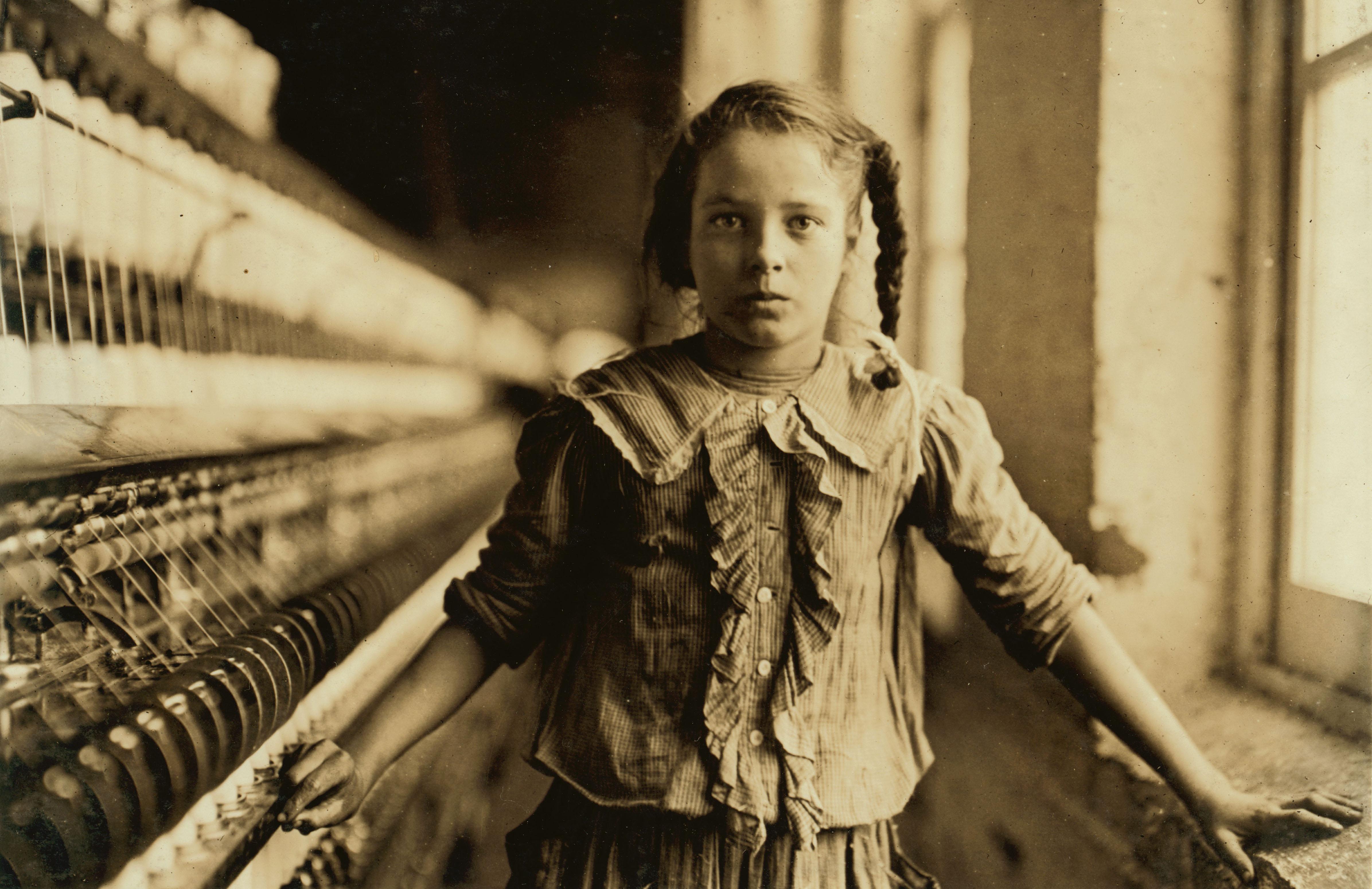
Child spinner by Lewis Hine -
Robert Frank
Swiss-born photographer and filmmaker, his 1958 book, “The Americans“, was influential for many other photographers looked through their viewfinders, and how Americans viewed themselves.
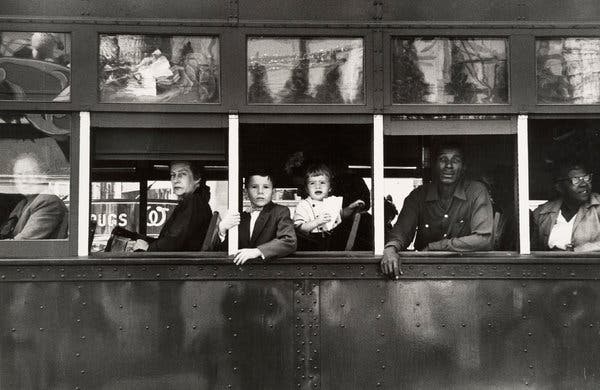
Trolley – New Orleans by Robert Frank -
Steve McCurry
Best known for the haunting 1984 portrait “Afghan Girl”, which appeared on the June 1985 cover of National Geographic, Steve McCurry has built a career defined by vivid color, cultural richness, and emotional intimacy. The girl’s piercing green eyes made the image one of the most recognized photographs in the magazine’s history, and arguably in the world. McCurry is also known for his mastery of color photography—his use of Kodachrome 64 film helped him achieve that saturated, painterly look he’s known for. In fact, he shot the final roll of Kodachrome ever produced, a fitting tribute to a medium and a photographer that helped define each other.
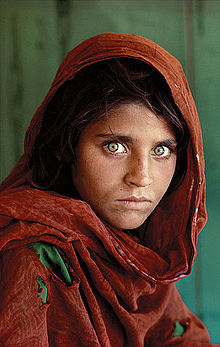
Afghan Girl by Steve McCurry -
Elliott Erwitt
French-born, New York City implanted photographer known for his sense of humour, and for photographs of ironic and bizarre situations in everyday life. His passion for dogs shows, having published four books with images of canines.
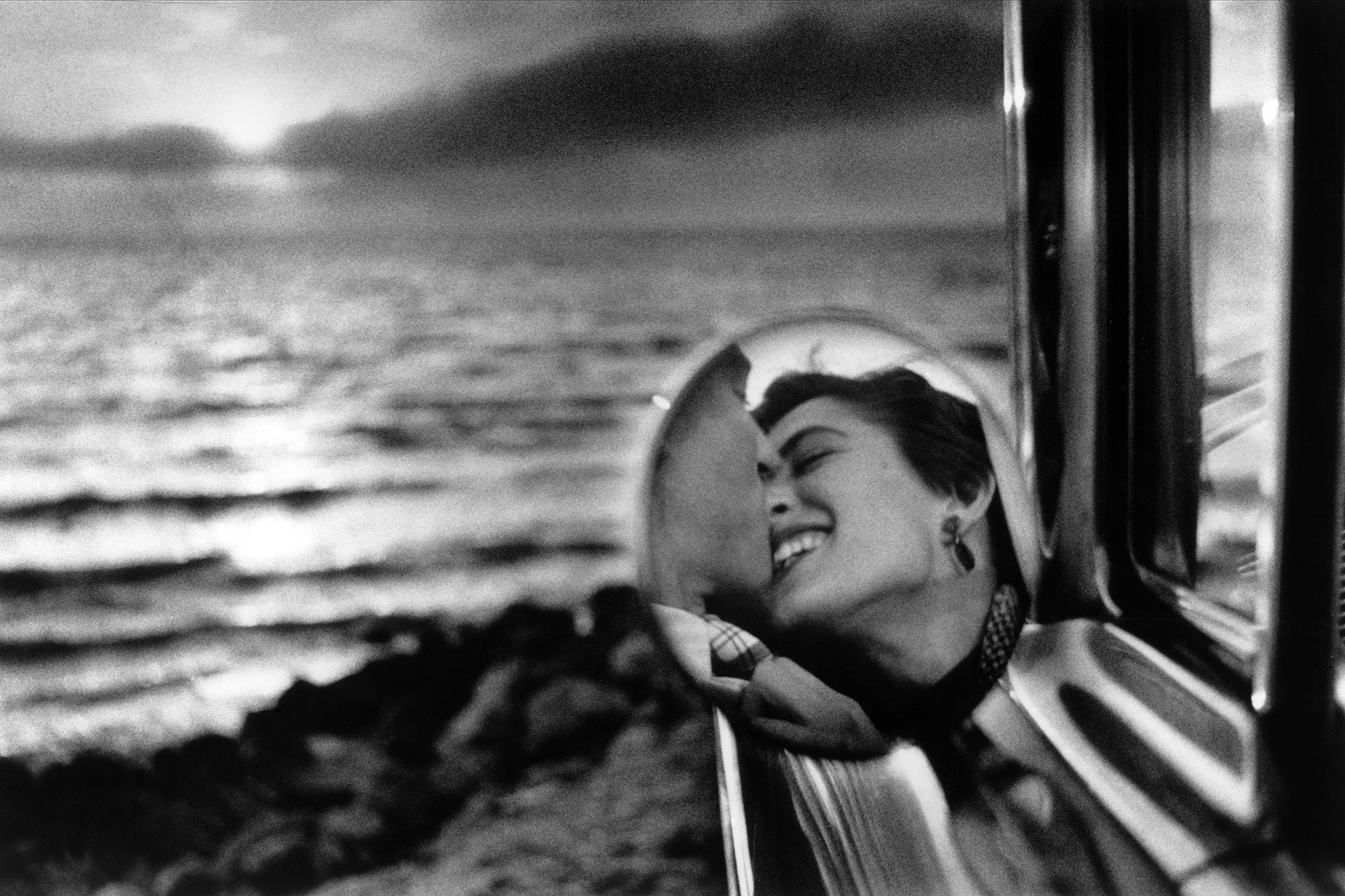
California Kiss by Elliott Erwitt -
Robert Mapplethorpe
Controversy surrounded his erotic images of male nudes, but they are technically masterful. He received acclaim for his large format black and white portraits and images of flowers.
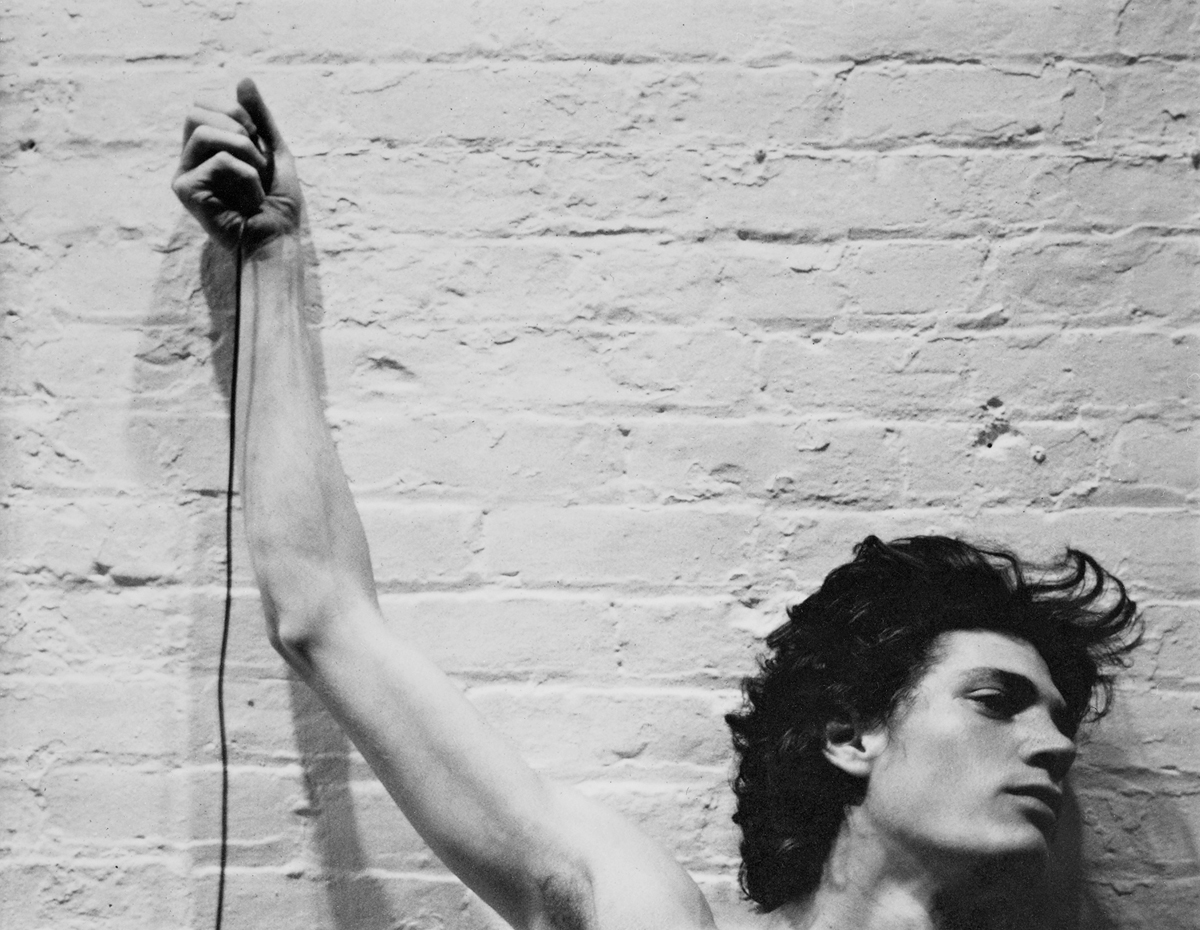
Self-Portrait by Robert Mapplethorpe -
Harold Edgerton
Technically not a photographer, he is credited with developing the strobe light from a lab instrument to a photography tool capably of freezing fast-moving objects such as a bullet piercing an apple, and a balloon exploding.
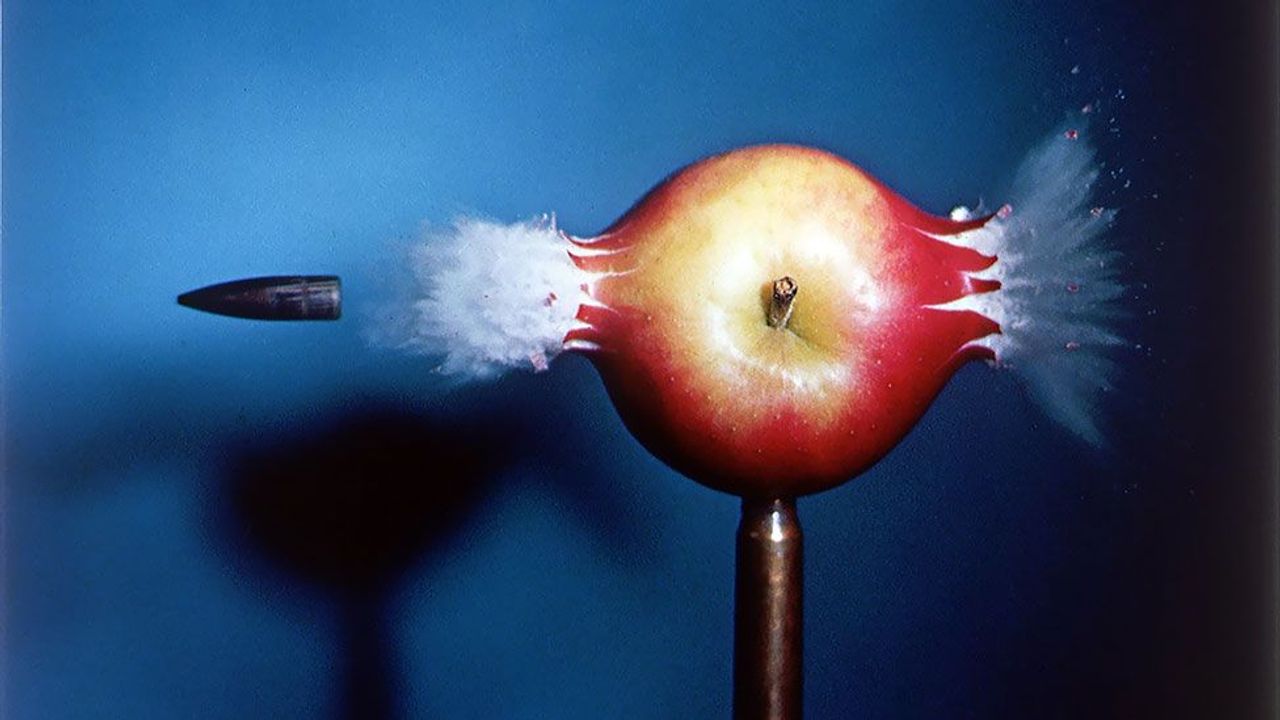
Bullet through Apple by Harold Edgerton -
Yousuf Karsh
Armenian by birth, but claimed by Canadians as our own. Undisputed as the best, most famous portrait photographer in history. He not only photographed 51 of the most notable people of the century, but himself was included on the list! His iconic portrait of Winston Churchill launched him to star status. The defiant look on Churchill’s face came moments after Karsh boldly removed his cigar without warning, and a photograph of Churchill without his cigar is exceptionally rare.
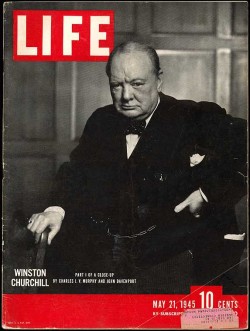
Churchill by Karsh -
Garry Winogrand
Famous for his documentation of American life in the 1960s, especially in his home city of New York. He was extremely prolific and left behind a legacy of over 300,000 images that were found after his death.
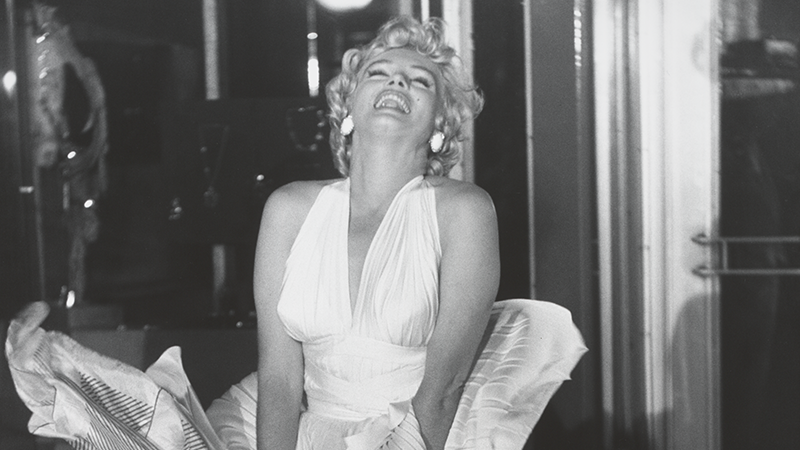
Marilyn Monroe by Garry Winogrand -
Richard Avedon
Fashion and portrait photographer from 1941 until his death in 2004, his obituary in the New York Times read: “his fashion and portrait photographs helped define America’s image of style, beauty and culture for the last half-century.”
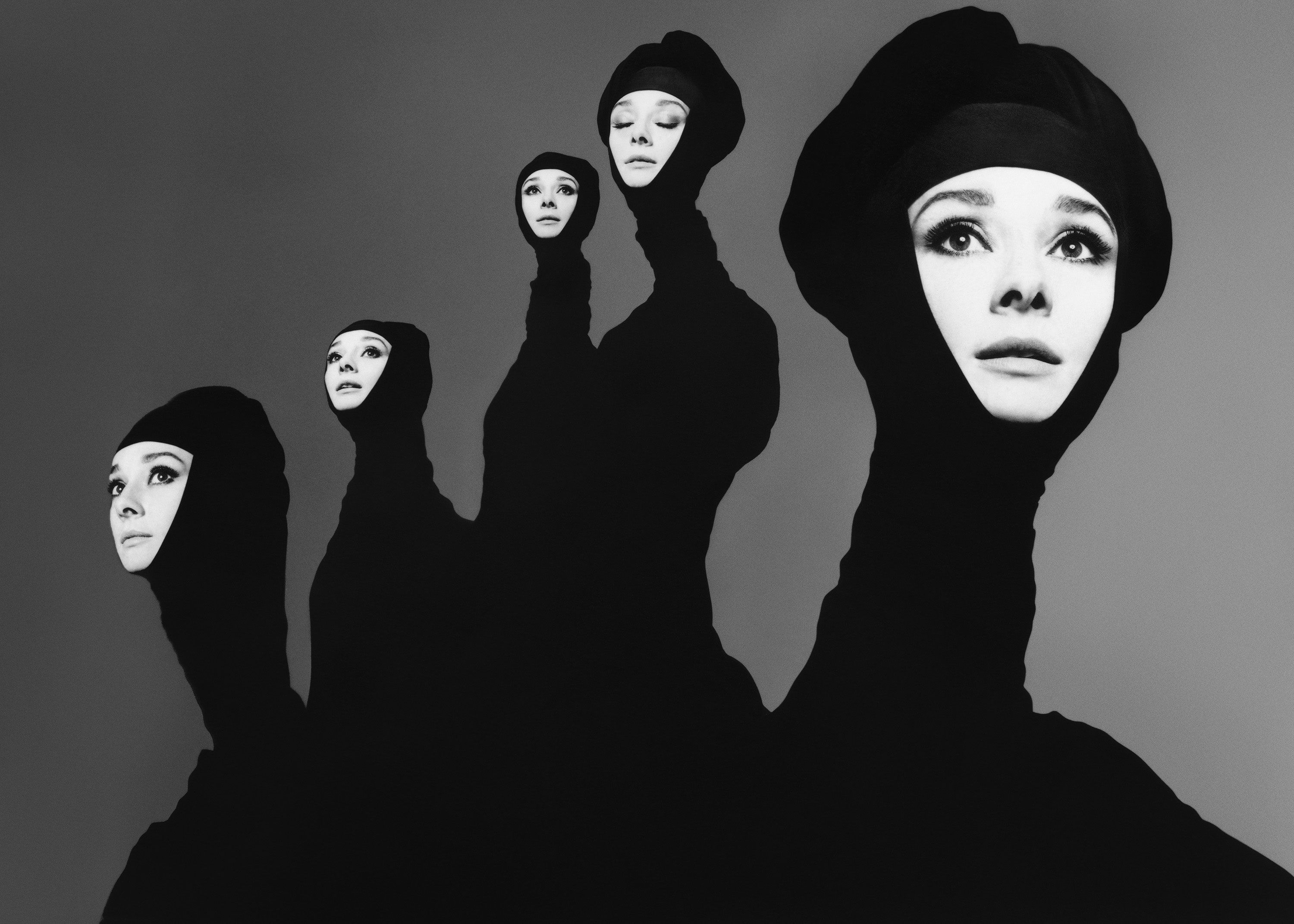
Dovima with Elephants by Richard Avedon -
Irving Penn
Actually started as an illustrator for Harper’s Bazaar and went on to be one of the most prominent photographers for Vogue magazine. His fashion photography, nudes, and still life images were groundbreaking and innovative for his time.
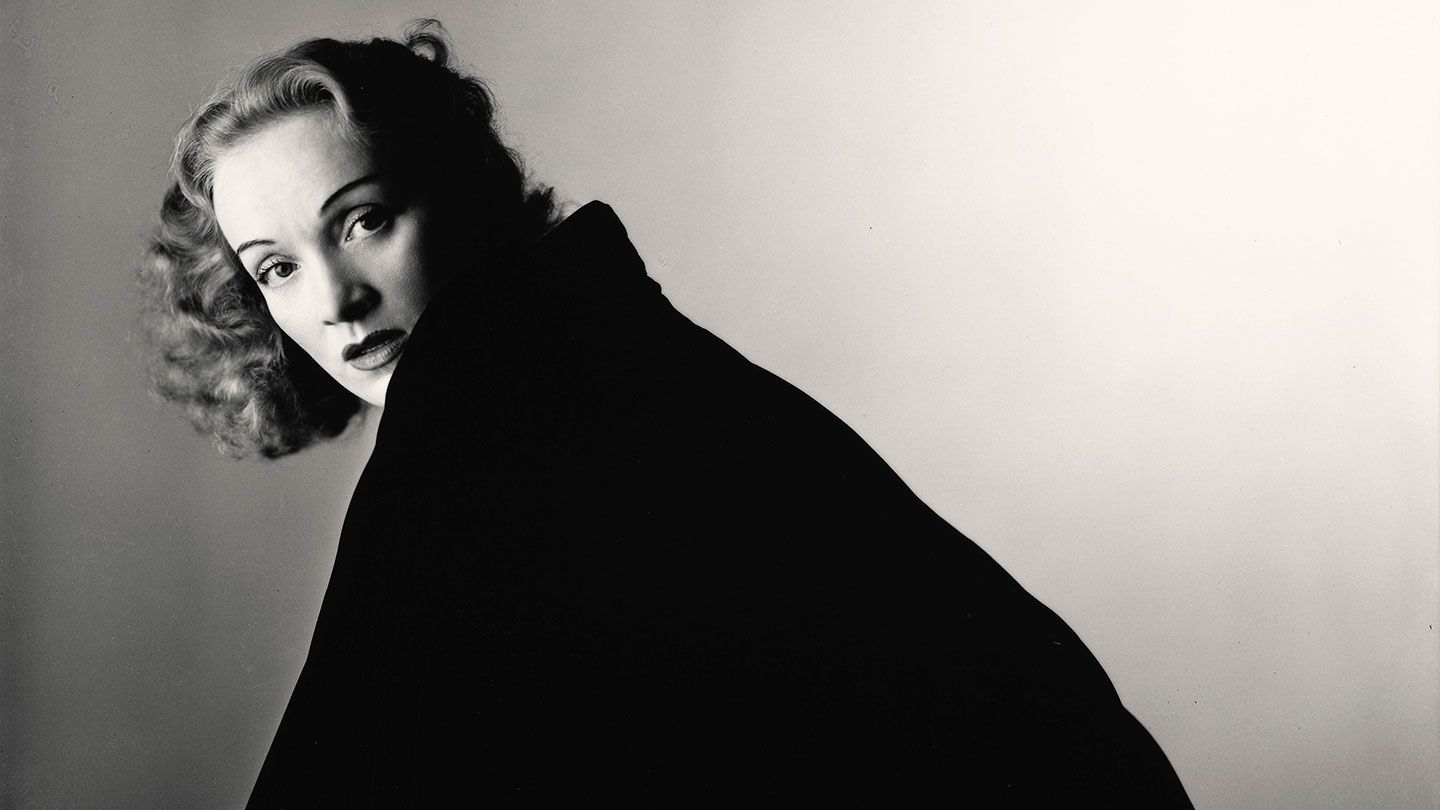
Marlene Dietrich by Irving Penn -
Arnold Newman
Possibly the first photographer to embrace and practice “environmental portraiture”, Newman went to his subjects milieu to create not only a likeness of their face, but to capture a sense of the inner being of the person.
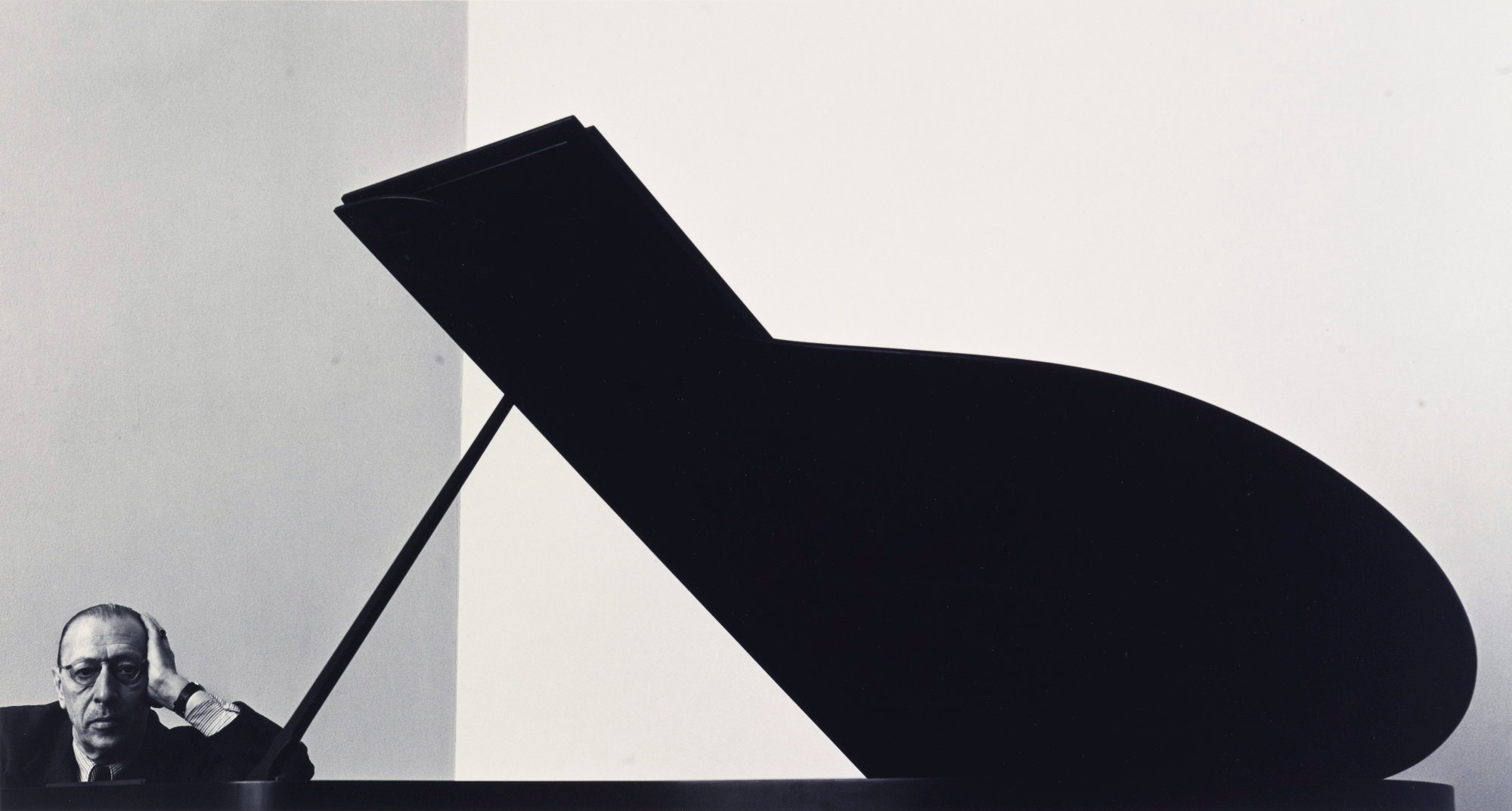
Igor Stravinsky by Arnold Newman
Who Is the Most Famous Photographer in History?
Photography has produced so many visionaries, from early inventors like Daguerre and Niépce to modern masters like Steve McCurry and Annie Leibovitz, that it’s hard to crown just one as the most famous.
Still, it’s a fun question to explore, because in thinking about it, we start to understand what makes a photographer truly stand out through time.
Is it their technique? Their subjects?
Or is it the emotional and cultural impact their work leaves behind?
Let’s take a closer look at what defines fame in the world of photography.
How Do You Determine Who the “Most Famous” Photographer Is?
Fame in photography isn’t as simple as social media followers or gallery shows. It evolves across generations, genres, and even technology. When evaluating fame and legacy, I like to consider a combination of factors:
- Influence & Innovation – Did they change how we see the world or how photography is practiced?
- Awards & Recognition – Are they honored through exhibitions, publications, or major cultural awards?
- Cultural Legacy – Do their works still appear in textbooks, museums, and pop culture?
- Search Popularity – Are people still looking them up and talking about their work decades later?
- Emotional Resonance – Most importantly, does their work still move people and inspire others to pick up a camera?
Taking all these factors together, one photographer consistently rises above the rest.
Globally Speaking – Ansel Adams
Ansel Adams (1902-1984) is widely regarded as the most famous photographer in history, and with good reason. His majestic black-and-white landscapes of the American West, particularly Yosemite, are instantly recognizable, even to those who have never studied photography.
- Innovation: Co-created the Zone System, revolutionizing exposure control and tonal precision.
- Influence: Helped define landscape photography as a fine art form.
- Recognition: Received the Presidential Medal of Freedom and countless global exhibitions.
- Cultural Impact: His work became a visual symbol for environmental conservation.
- Timeless Appeal: Consistently ranks highest in historical and public polls, and still dominates online search trends.
Adams wasn’t just a photographer – he was a craftsman, an educator, and an environmentalist. His ability to merge artistry with purpose ensures his legacy endures across generations.
Who Is the Most Famous Canadian Photographer?
Yousuf Karsh (1908-2002) is widely recognized as Canada’s most famous photographer, celebrated for his masterful black-and-white portraits that revealed the character behind the face. His work helped define portrait photography as a fine art and placed Canadian photography firmly on the global stage.
Karsh photographed more than 15,000 people – leaders, artists, and everyday icons, and his portraits still hang in national galleries worldwide.
Highlights:
- Signature Work: The Roaring Lion (1941) portrait of Winston Churchill, often cited as one of the most reproduced portraits in history.
- Legacy: Exhibited in the National Gallery of Canada and the Smithsonian Institution; awarded the Order of Canada for lifetime achievement.
- Style: Precision lighting and deep psychological insight that revealed both strength and vulnerability.
- Cultural Impact: His images shaped how 20th-century leaders and creatives are visually remembered.
“Canadian-Armenian portraitist Yousuf Karsh, famed for his 1941 Churchill portrait, became the world’s most recognized portrait photographer, honored with the Order of Canada and international exhibitions.”
Who Is the Most Famous British Photographer?
David Bailey (CBE, b. 1938) is considered Britain’s most famous photographer, known for transforming 1960s fashion photography with his raw, energetic portraits that captured the rebellious spirit of “Swinging London.” His work blurred the line between fashion, celebrity, and fine art.
Bailey’s bold black-and-white portraits helped define the visual language of modern British culture.
Highlights:
- Pop Culture Influence: Photographed icons such as The Beatles, Mick Jagger, and Kate Moss, shaping the look of the era.
- Recognition: Appointed Commander of the Order of the British Empire (CBE) for contributions to photography.
- Artistic Reach: Works held in permanent collections at the National Portrait Gallery and Tate Modern.
- Innovation: Brought attitude and spontaneity into fashion imagery, making photographers celebrities in their own right.
“David Bailey, London-born portrait and fashion photographer awarded a CBE, defined the look of 1960s Britain through iconic images of The Beatles and Mick Jagger.”
Learn more about photography history!
These are some of the most powerful and influential images ever captured by some of the most famous photographers. Find out more about them and how photography has, in many cases, literally changed history.
Read:
Action Plan
I suggest you use this curated list of famous photographers as a starting point to dive deeper into the work and legacy of history’s most celebrated image-makers.
Research these and other important photographers in history. View their images, look at their books, watch documentaries on their lives and their work. Most libraries contain a great many books on photography history, take a few out and see who speaks to you.
Whose work do you relate to?
Who do you aspire to be like?
Finally, whenever possible go look at photography exhibits. I am fortunate enough to have seen the work of five of the photographers on this list.
Many of the prints original, and hand made by the artists themselves.
It is one thing to look at images on the internet and in books, it is quite another to stand in front of a true masterpiece in all its glory. To wonder what the photographer was thinking when they snapped the shutter? Start thinking more like that instead of what aperture you use and you will grow as a photographer.

Cheers,
