Developing a travel photography style is like finding your own way of telling stories through photos. It’s about choosing what to capture and how, based on what feels right to you. This style comes from trying out different ways of taking pictures, learning to use light and shadows, and connecting with people and places. It’s about seeing ordinary things in a special way that shows your unique view of the world.
Travel photography is not just about capturing landscapes and landmarks; it’s about telling stories, capturing cultures, and expressing unique perspectives.
This travel photography style guide provides expert tips and strategies for both beginners and seasoned photographers looking to enhance their travel photography skills.
Key Takeaways:
- Develop Your Unique Style: Experiment with different photography techniques to create a style that reflects your personal perspective and personality.
- Connect With Your Subjects: Build genuine connections with people to capture more intimate and meaningful photographs, telling their stories.
- Plan and Explore: Research and plan your photography in advance, while also exploring offbeat locations for unique, authentic images.
- Master Light and Editing: Use light creatively for dramatic effects and keep photo edits subtle to maintain the authenticity of the images.
Developing a Travel Photography Style to Call Your Own
Travel photography is an amazing opportunity to capture the beauty and uniqueness of different places, cultures, and people. It’s also an incredibly satisfying way to flex your photography and creativity skills while exploring a new country or area.
In order to make your travel photography stand out, you need to have an eye for capturing unique and creative shots, as well as an understanding of the technical aspects of using a camera and lighting.
In the article, I will talk through the thought processes and planning aspects that I use to ensure my travel photography is striking and individual. As a professional photographer, I use travel photography projects to develop my creativity, my technical skills, and to showcase my own personal style within my portfolio.
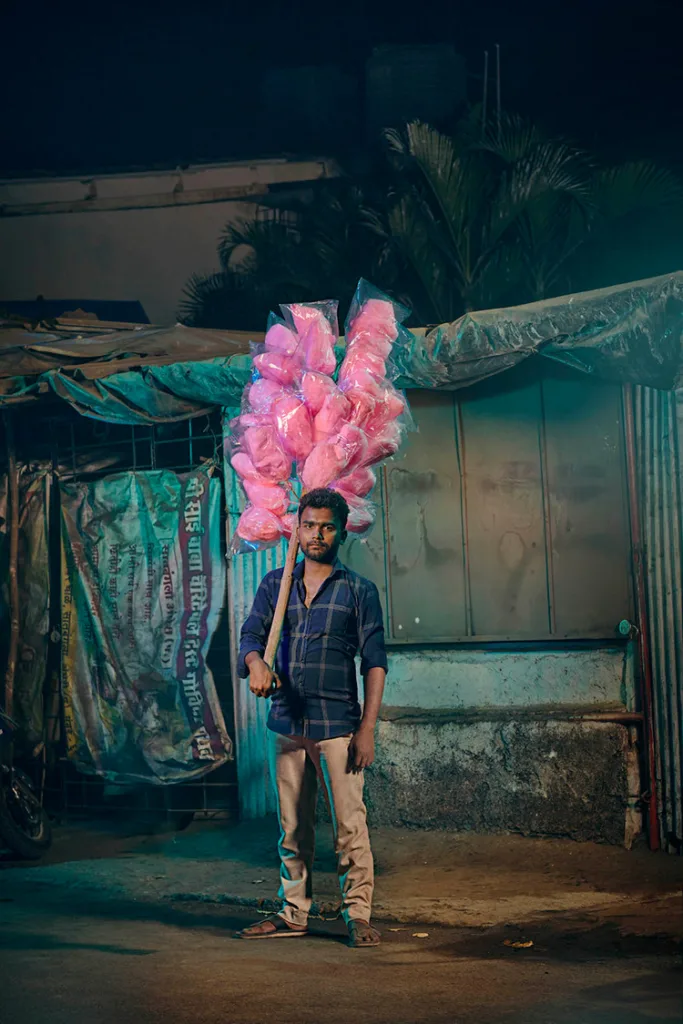
#1 – Find your own style
A key element to standing out in is developing a unique travel photography style.
This means experimenting with different techniques and discovering what resonates with your personal taste. As you journey through various landscapes and cultures, pay attention to the elements that draw your eye and how they reflect your perspective.
You start to develop a photography style you can call your own, but this can be easier said than done!
To find your style, you must commit to time spent experimenting with different techniques and generally working out what you like and also just as importantly, what you don’t like.
A distinctive style is the glue that binds a portfolio together. The subject matter may be varied, and in the case of travel photography might literally jump all over the world, but the style will gel it together.
As you explore, you’ll find what works best for you and what sets your work apart. Remember that your style should reflect your own personality and the way you see the world.
Let your own personal style develop naturally and organically over time.
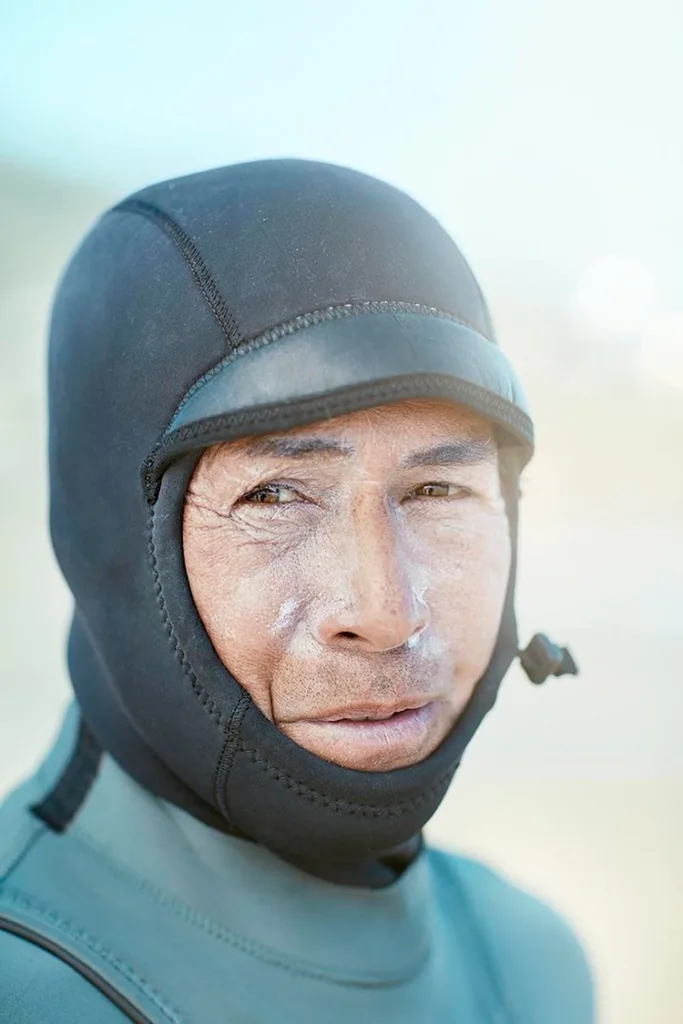
#2 – Make a human connection
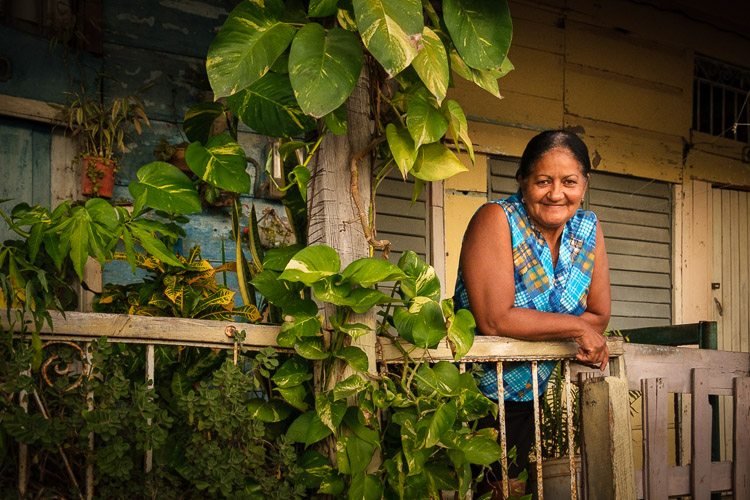
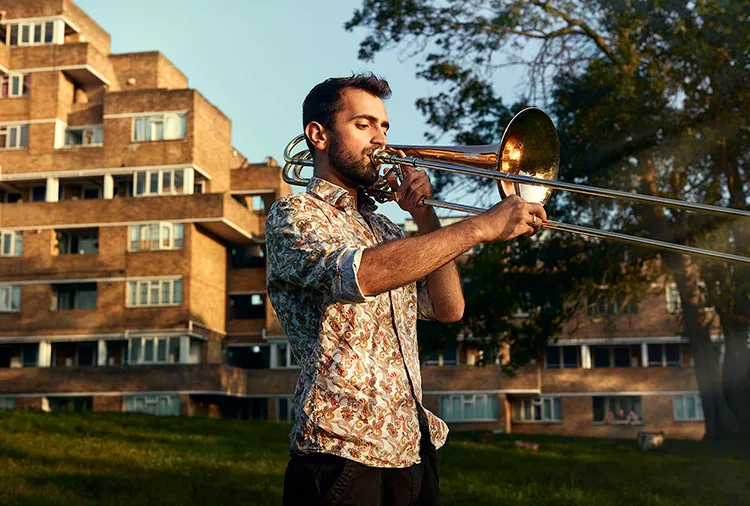
Human connection photography goes beyond capturing faces; it’s about telling people’s stories and portraying genuine experiences. Connect with your subjects, learn their stories, and let your photographs tell their tales. This approach deepens the emotional impact of your photos, making them more compelling and meaningful.
The Power of Authenticity
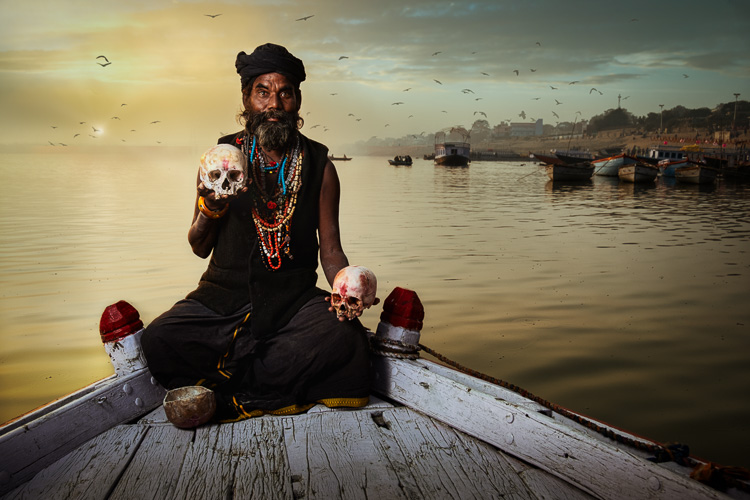
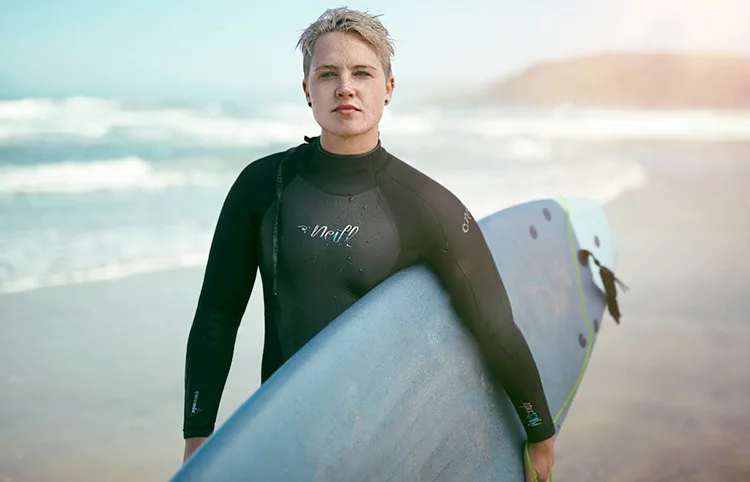
I specialize in portrait photography, so for me, finding that human connection with the subject is vital. That doesn’t mean I need to talk to them for hours. It means making a quick instant connection as humans, and then conveying that within the photograph.
I try to capture people in natural, authentic moments, rather than posing them or moving them to another area. I suggest that you give directions on where you want them to look or how to stand, for example, but very often I’m shooting in the in-between moments when they don’t think they’re posing for the camera.
If you’re new to travel photography, instead of trying to capture people unawares, try going over to chat with them first, and ask if they mind whether you take some photographs. If they’re happy to do so, you have the chance to create some far more intimate photographs, having made that human connection.
If you don’t ask, you don’t get – what’s the worst that can happen? They can always just say no.
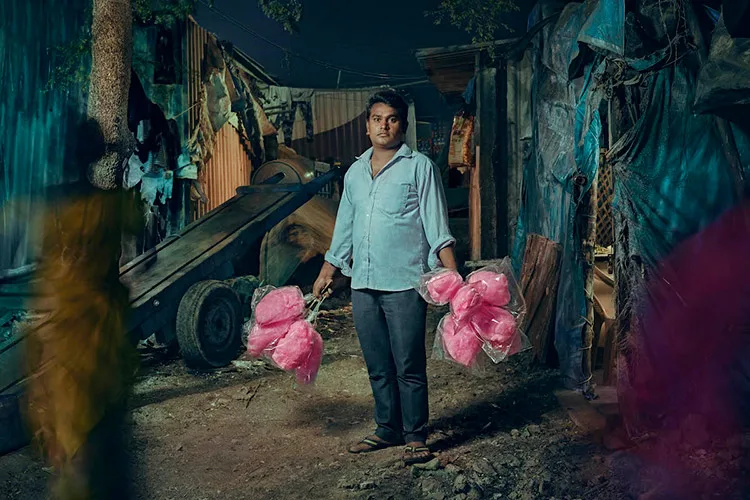
By fostering authentic connections, you not only enrich your travel experience but also infuse your travel photography style with a depth of emotion and storytelling.
#3 – Plan your ideas ahead of time
Thoughtful travel photography planning is essential for capturing exceptional images. Research your destination, identify the best times and angles for photography, and prepare a comprehensive photography shot list.
Preparing for the Perfect Shot
Consider the time of day, lighting conditions, and climate to determine the best time and place to capture the right image.
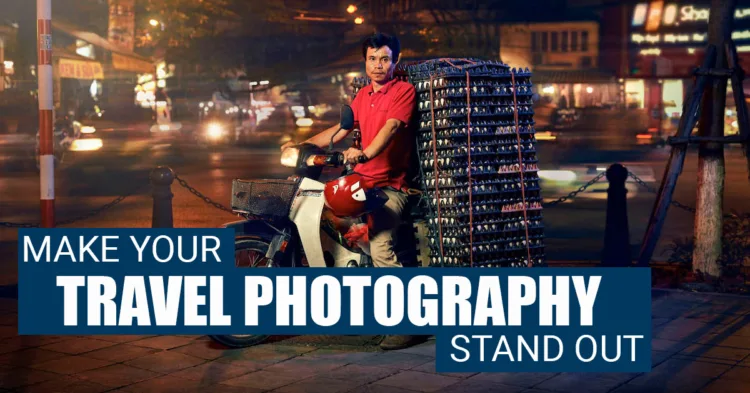
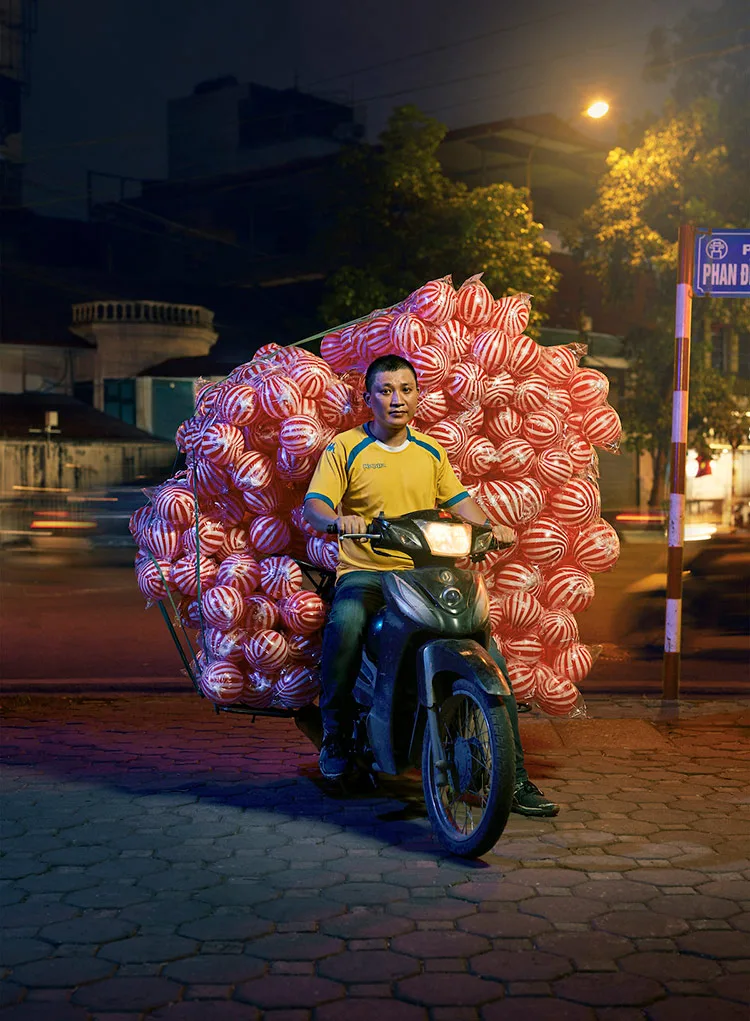
When I work in a busy city such as Mumbai or Hanoi, I like working at nighttime, for numerous reasons. To avoid the daytime heat and avoid crowds for starters.
I will usually have my themes, concepts, and locations all fully planned out before I go. But that doesn’t mean I’m not always looking out for new possibilities or other interesting things I hadn’t considered before I arrived.
Essentials of a Travel Photography Kit
A well-equipped travel photography kit is your best ally. It should be adaptable to various environments while remaining lightweight and manageable. The right gear will significantly enhance your capability to capture diverse and dynamic images.
#4 – Venturing Beyond the Beaten Path
Distinguish your work by exploring unseen photography scenes. Look for unique, lesser-known spots that provide fresh perspectives and reveal the true spirit of your destination. Such exploration often leads to more authentic and captivating images.
Make sure you do something that other people haven’t done, and that you’ve not seen on Instagram hundreds of times before.
It’s really important just to do a little digging and do things differently. Get around to the back of that marketplace, or arrive at 4 am when the deliveries come in.
Push yourself to find some shots of scenes that are more authentic and real than your classic tourist shots.
When I was in California, I had jetlag so I got up and took my camera down to the beach at 5 am and got some great portraits that would have looked completely different if I’d taken them at midday. The early morning gave me new light to play with as well as the peace and tranquility that comes from being one of only a handful of people out and about.
#5 – The Art of Light and Shadow
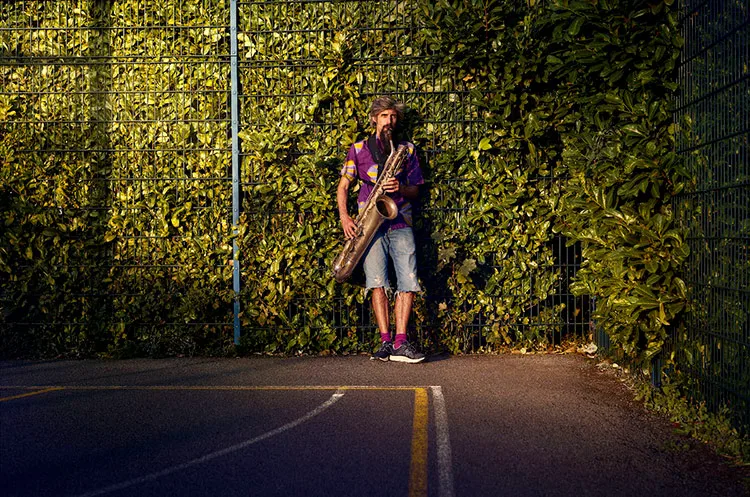
I always enjoy experimenting with photographing in different lighting conditions, such as early morning light, late afternoon light, dusk, and nighttime.
Understanding and utilizing various lighting conditions is a pivotal skill that significantly shapes your travel photography style, bringing a unique mood and character to your images.
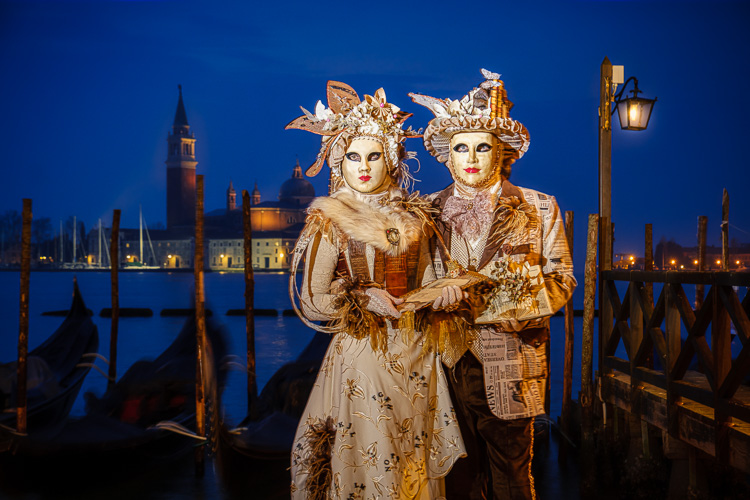
Mastering light and shadow play is crucial in adding drama and mood to your photographs. Experiment with various lighting conditions, especially during the golden and blue hours, to create visually stunning effects.
Night photography, often overlooked, offers a realm of creative possibilities.
You can, of course, use light to create contrast and add depth to your images.
I particularly like to explore the use of light just after the sun has gone down. With some of my personal travel photography projects, I’ve opted to shoot at night, with a very specific lighting setup. This gave my set of photos a really unique look as we’re so used to seeing busy city daytime shots. So when you’re presented with a set of portraits set at night with no one else around, it creates a very different vibe for the photo series.
In terms of the technical process, using my own off-camera lighting setup gives me exact control over the look of the images, rather than using natural light which can be changeable and unpredictable. That said, you can’t light a church or a mountain range so develop an understanding of how light works, how it changes, and how best to find some good light.
#6 – The editing process
I would recommend going light on the editing to keep your images raw and authentic. Over-editing your images can make them look unnatural, and also quite unpleasing at times.
Keep your edits subtle and use them just for gentle tweaks. Go for authenticity.
It takes time to create a really unique travel photography portfolio. Try applying the different approaches from my tips above should give you a really good chance of creating something different.
Just remember developing your photography and creative skills is an ongoing learning process. Ultimately travel photography should really be about enjoyment and capturing some special moments from a trip.
Conclusion
I hope you enjoyed this article providing tips on how to create distinctive and creative travel photography.
To make your travel photography stand out, you need to have your own unique style, make human connections with your subjects, plan your shots ahead of time, seek out the unseen, play with light and shadows, and keep your edits subtle.
Developing your photography and creative skills is an ongoing learning process, and it is essential to enjoy the process. By using the tips provided, you can create something different and unique.
Creating your own style in travel photography is a rewarding adventure. It combines learning photography skills with expressing yourself.
This journey means taking lots of photos, getting to know different people and places, and being open to new experiences. Your style will grow and change as you do, and every photo you take tells a part of your own story.
It’s not just about the photos you take, but the memories and connections you make along the way.
