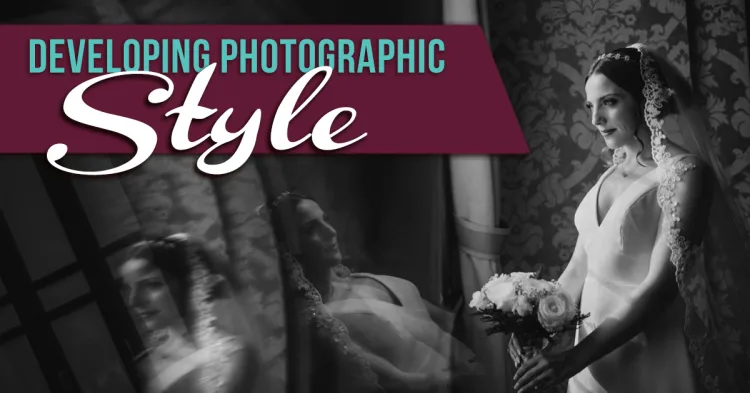
In this article, want to take you on a journey – a journey that goes beyond the technicalities of aperture and shutter speed. It’s a journey to discover your own unique photography style and why it’s more important than ever in today’s visual world, where everyone has a mobile phone and considers themselves a photographer.
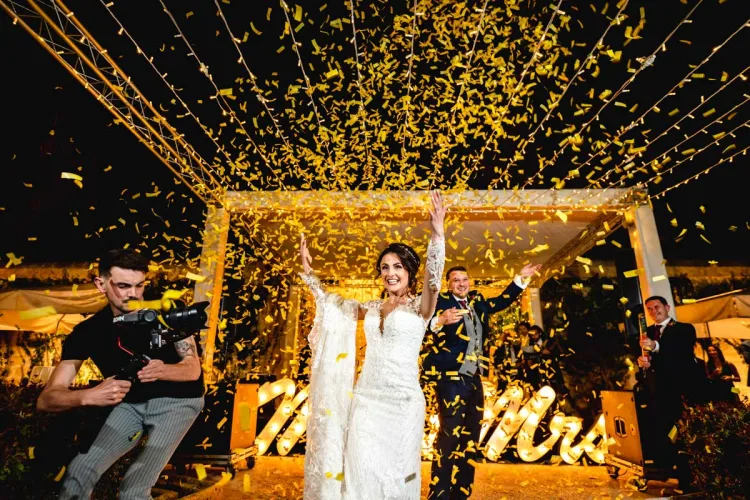
Note from Darlene: This is a guest article and the images below are from weddings. But don’t stop reading because the information in the article will show you how to apply the tips and ideas to your photography – whatever kind of images you like to create.
Key Takeaways:
- Developing a unique photography style is crucial in today’s visual world.
- It sets you apart and makes your work recognizable.
- Elements include tones, compositions, focal lengths, angles, lighting, and techniques.
- Experiment and draw inspiration to craft your style.
- Let your style reflect your personality and evoke emotions.
- Embrace your unique style as your rebellion against conformity.
- Authentic storytelling through your style is captivating.
First of all, I have to mention that it took me months to realize how important this is in today’s world which is flooded with images but it also took me probably many more months to arrive at a style I could associate with myself and my brand. Each person has a unique way of seeing the world and as photographers, we need to find our inner voice – style.
You will have achieved a photographic style in your work when a person can recognize your photography from a set of images based on them being distinctive, unique, and appealing.
But what are the elements that make up photographic style?
A photographic style is made up of many different aspects including, but not limited to, the following:
- The tones and colors you use in your edits
- Types of compositions you create
- Specific focal lengths and camera settings you choose
- Specific camera angles you utilize
- The specific lighting you use or choose
- And/or specific tools or techniques you employ when creating your images.
Your unique photography style is your beacon, guiding both you and your audience through the vast expanse of visual content. It’s not just about capturing moments; it’s about capturing them in a way that only you can.
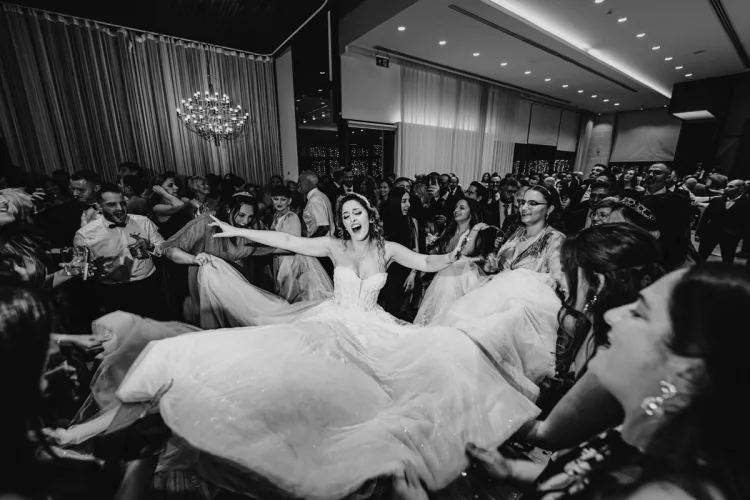
Unveiling the Uniqueness Case Study: My Journey in Wedding Photography
So, why should you care about creating your own style? To help answer that, let me share my own experience and see if it resonates with you. Even if you aren’t a professional or do not wish to be – you likely still have the desire to stand out and be noticed.
As a wedding photographer based in Malta, a destination known for its picturesque landscapes and stunning backdrops, I found myself surrounded by talented peers capturing weddings in an already lovely manner. But I craved something more – a way to stand out in a crowd of talented photographers.
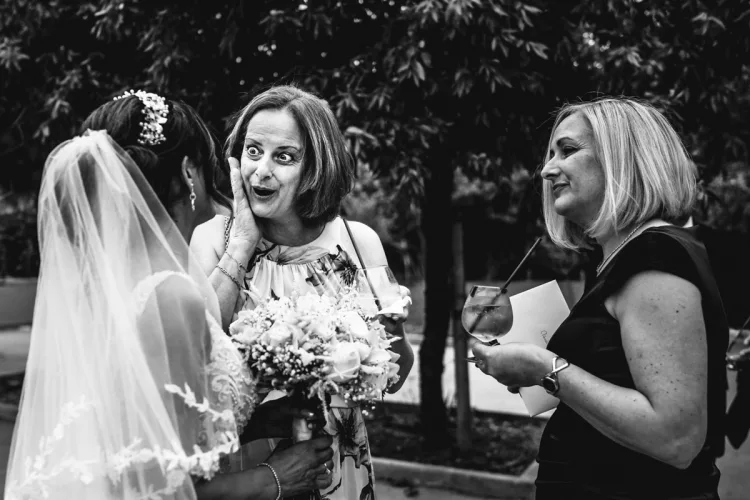
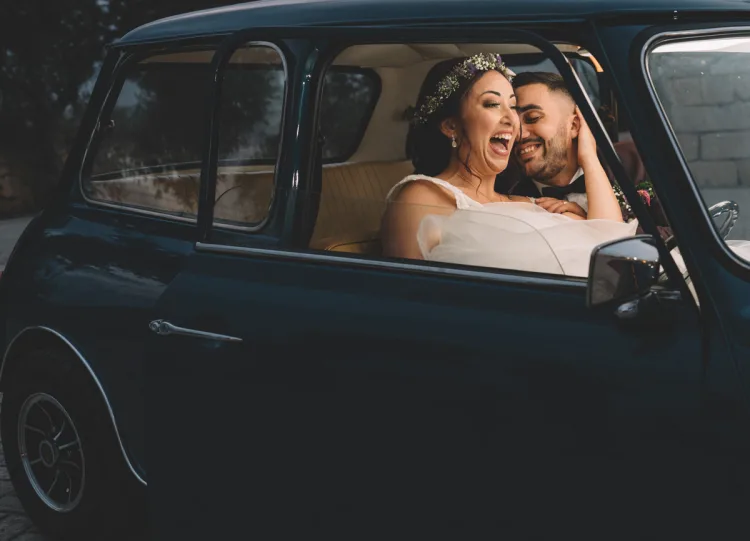
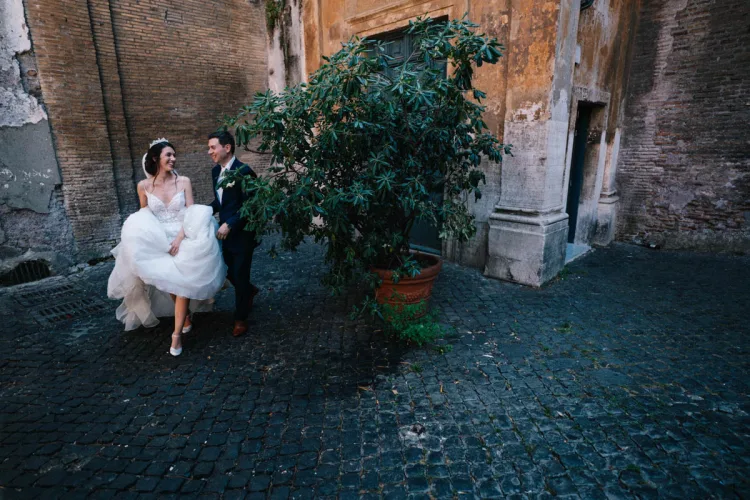
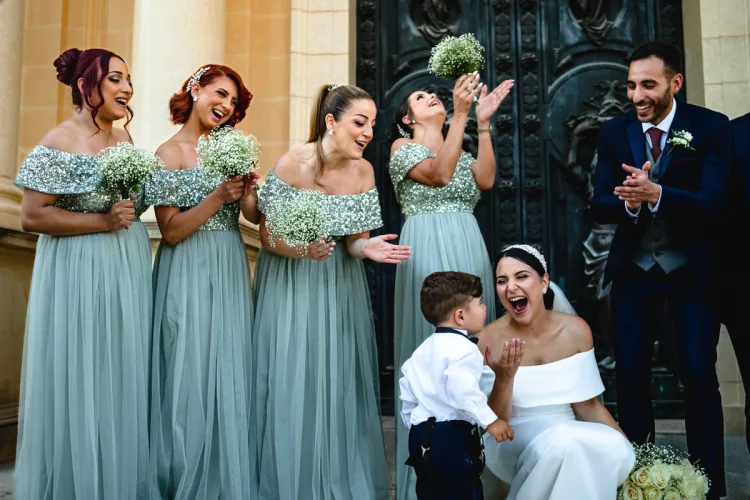
In a world filled with meticulously posed wedding photos, I decided to take a different route. I decided that my style would revolve around capturing raw, unexpected moments that tell a genuine story. I believe these unscripted moments hold a certain magic – a magic that can transport you back to the emotions, the laughter, and the tears of that special day.
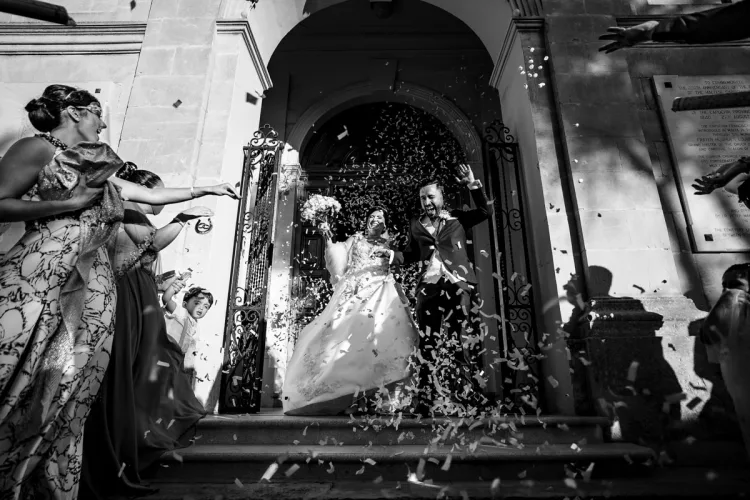
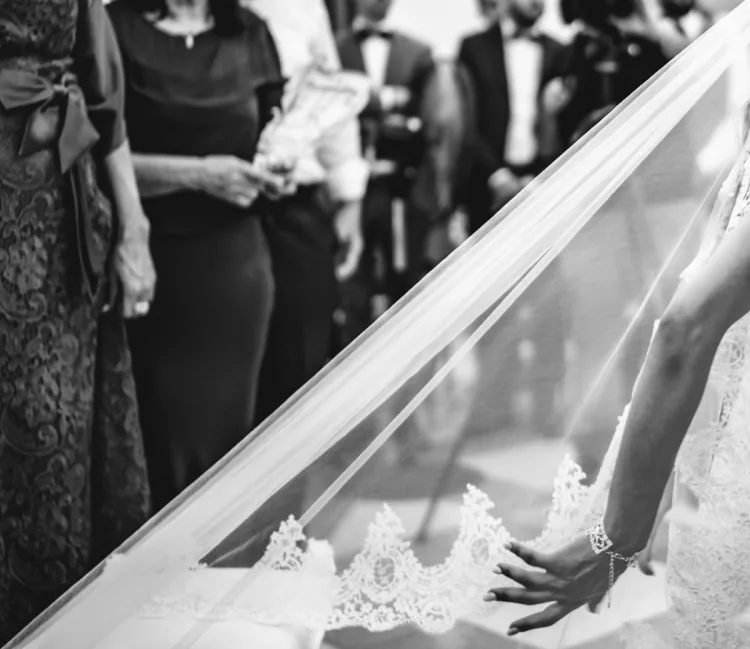
During the formal portrait portion when my direction is needed, I decided that my style would involve the use of geometries (shapes) and layers for my photographic compositions. This love for lines likely comes from my educational background which is that of an engineer.
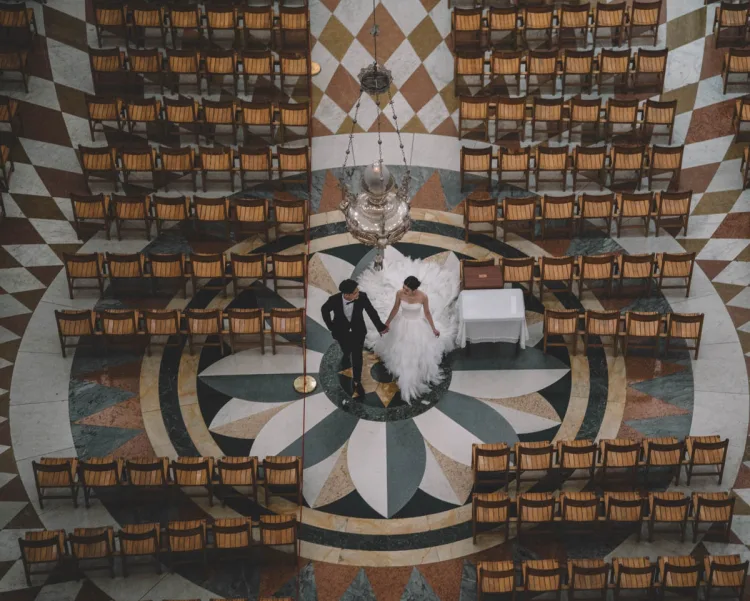
How to execute your chosen style in practice
You might be wondering, “How did you accomplish this style?“. Well, it’s all about the tools and the philosophical approach you take when executing your photography. In my case, I chose to make a few decisions.
First, I decided to exclusively use prime lenses because of their simplicity and the need to not get lazy.
This decision wasn’t arbitrary – it was a conscious choice to immerse myself in the moment, without the possibility of getting lazy and just using a zoom lens. I like to keep things as simple as possible and a prime lens is just one focal length. So for each particular moment, you have to make the best use of your tools.
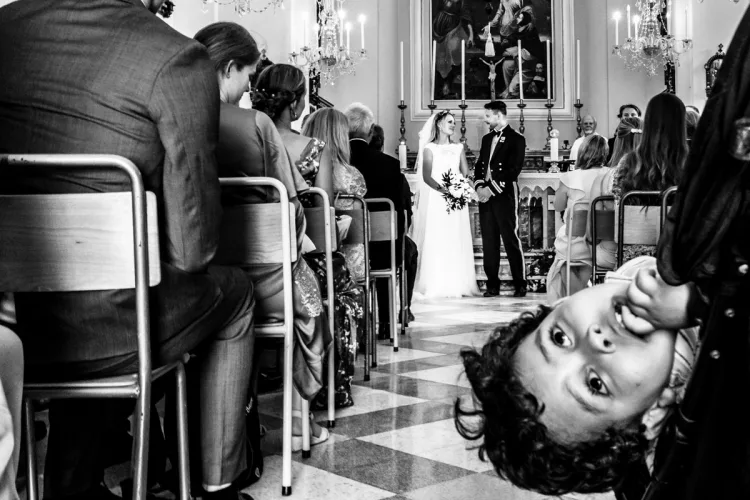
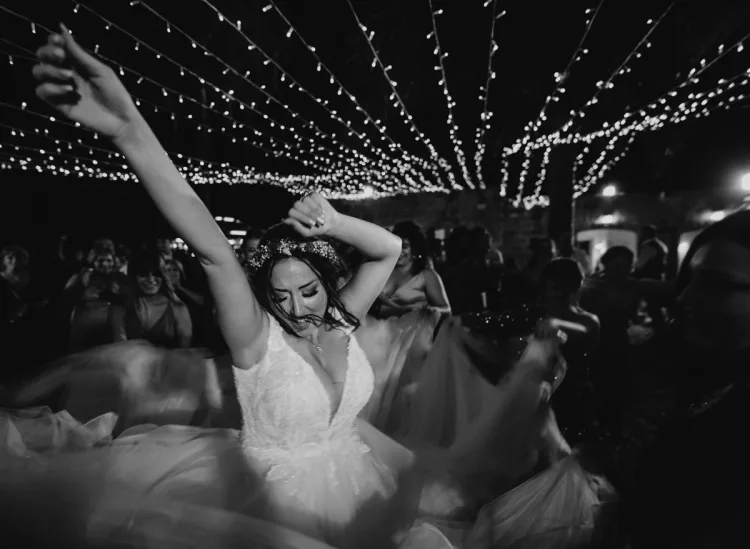
Pairing this with a silent shutter on my mirrorless cameras achieved a pure documentary approach – I became a silent observer, documenting the day as it unfolds.
No forced smiles, no staged poses – just genuine, heartfelt moments frozen in time. These moments cannot be imagined beforehand and have to be observed.
As I mentioned, my photography style is renowned for its creative and unusual portrait compositions. Sometimes my portraits are abstract, funny, or simply unusual. I create these portraits by simply forming a unique connection and trust with my subjects. Also through the use of a prism that I always carry with me.
These small trademarks help to make my photography distinct.
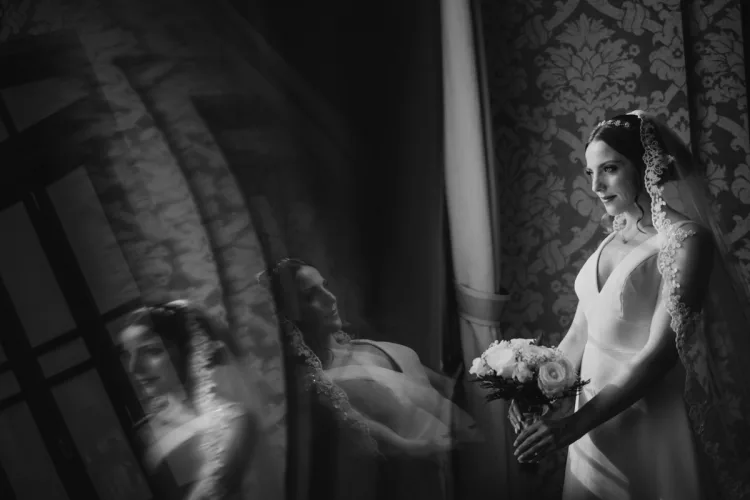
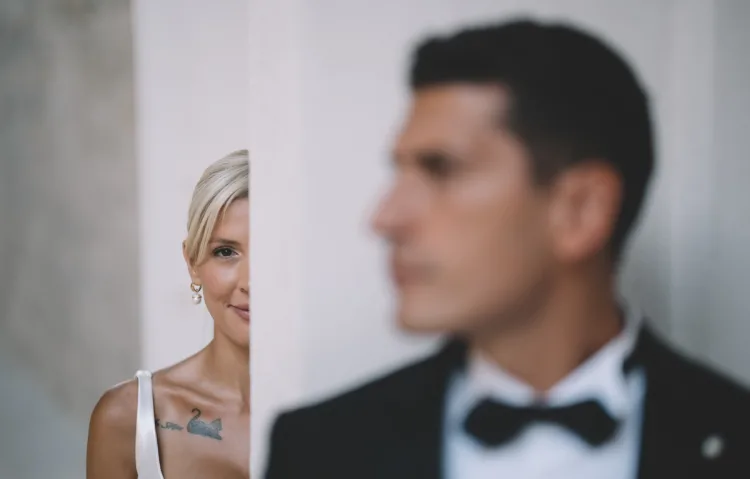
Creating your own photographic style doesn’t mean reinventing the wheel. Instead, you can draw inspiration from those who’ve already paved the way.
I immersed myself in the works of renowned documentary photographers like Two-Mann Studios and mastered compositions by contemporary masters such as Fer Juaristi, Sam Hurd, and Victor Lax.
Whose work or style inspires you or grabs your attention?
What about it do you like?
Start there.
Read this for ideas: 12 Famous Portrait Photographers From History You Need to Know.
Notes from Darlene on finding and developing your photography style
One thing I have noticed about my photography over the last few years is that my style has changed and evolved with me as I grew as a person and matured. Now I tend to use either a really long lens or a really wide one and I live on the extremes.
For example, here are two of my favorite travel images – can you see what I mean? Opposite ends of the spectrum. I don’t tend to be in the middle often, so that’s something that is part of my style.
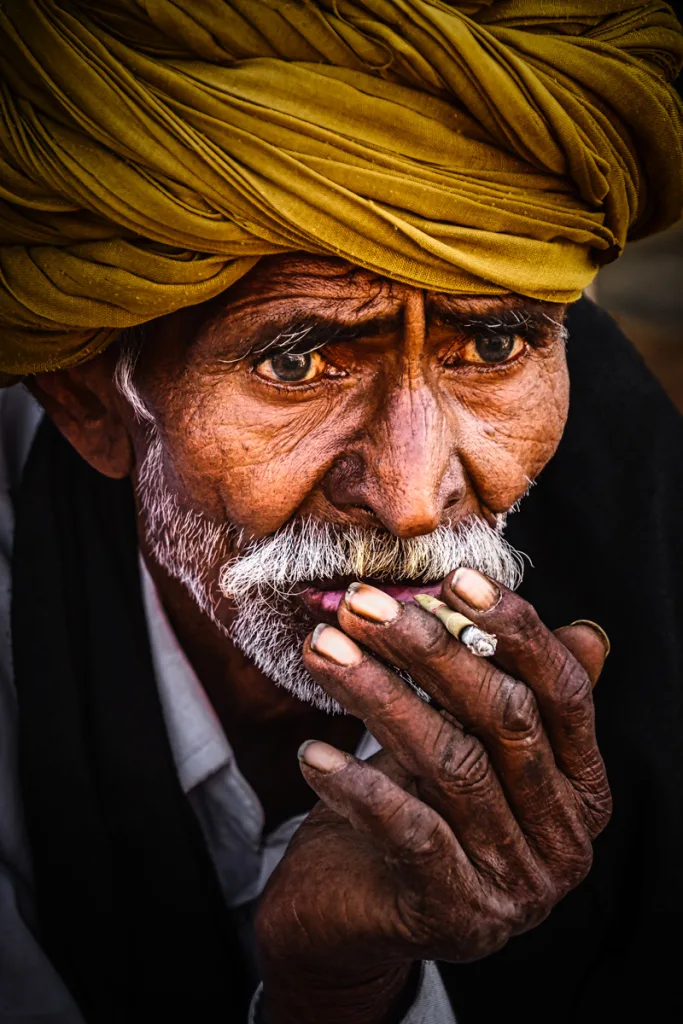
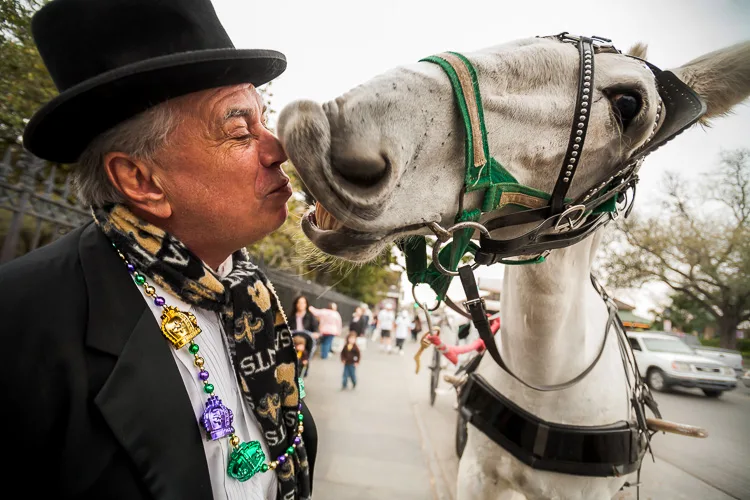
Photo editing style
The processing or editing stage is also part of your style. In this regard, I tend to like crisp images with good contrast, nice deep shadows, and clean whites and highlights. In addition, I also love high-contrast classic B&W and a sort of antique or faded color and sepia-toned look combined.
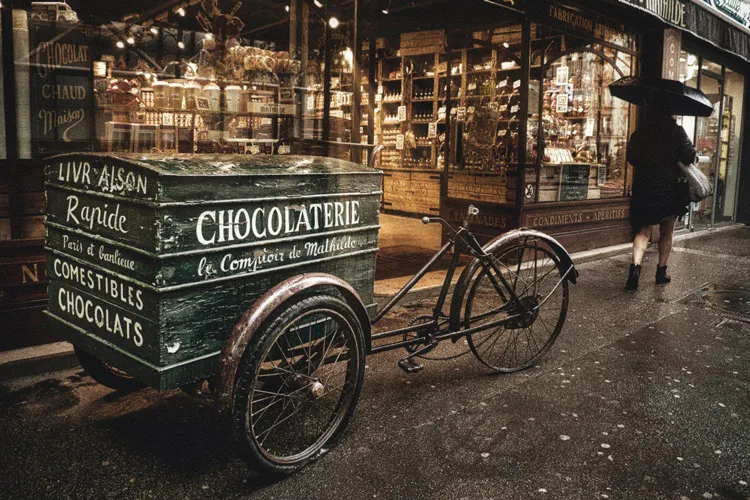
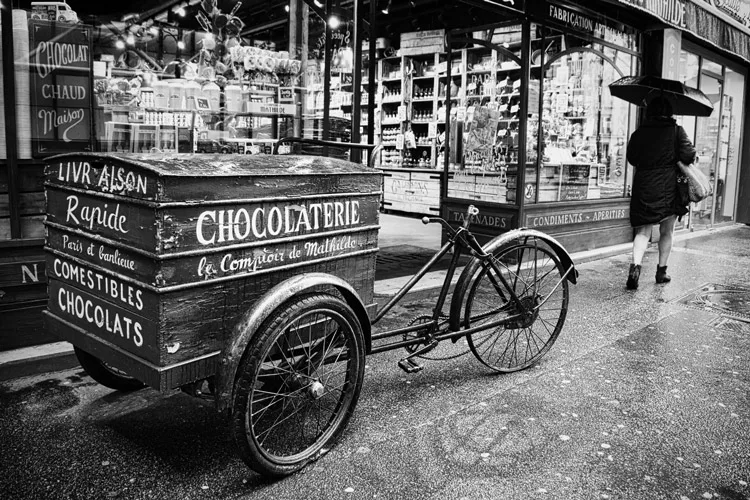
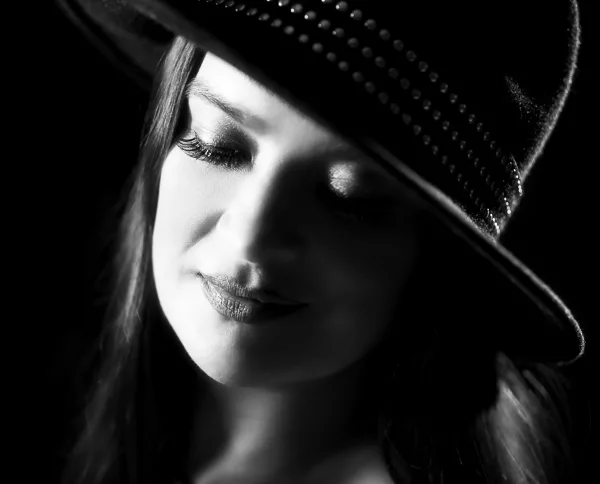
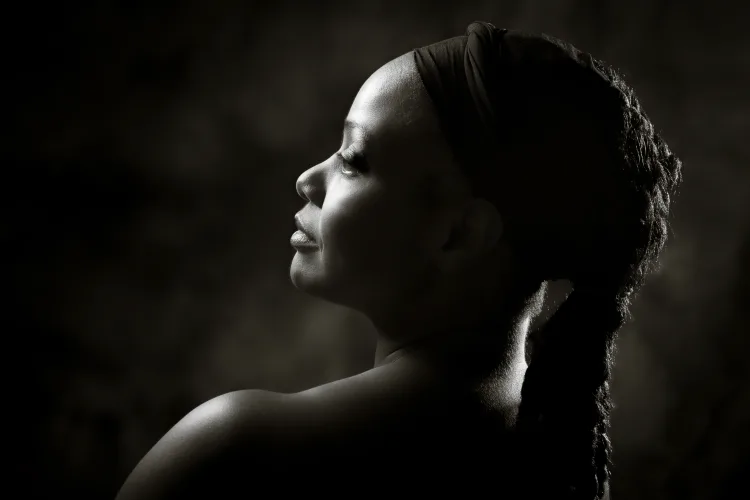
Something about black and white portraits takes me back not only to the golden era of Hollywood glamour but to my roots. I started my career with black and white when I studied photography in the 80s.
To start on your path of finding your photography style in regards to editing your images – you can pick up one of our courses on Lightroom, Photoshop, or Luminar Neo.
Appealing to the Right Subjects
One of the most rewarding aspects of developing your style is the connection it creates with a specific audience. In my case, this approach has resonated with couples seeking more than just conventional wedding photos. They want a visual narrative that reflects their unique love story – and that’s where my style comes into play.
I do understand that my style appeals to a particular type of client – those who love photography, and art and embody a playful and light-hearted spirit.
Your Style, Your Story
So, how can you embark on this journey to find your distinctive photographic style? It all starts with some self-reflection.
What stories and types of images do you like to take and show?
What emotions do you want to evoke with your images?
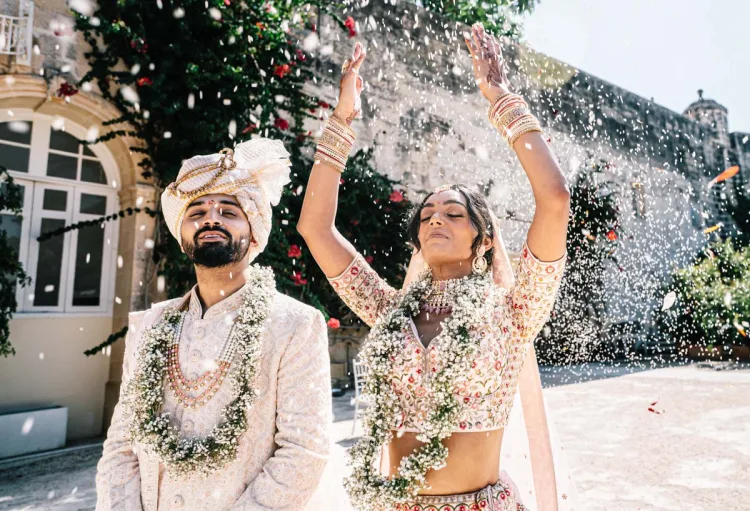
Your style is an extension of your personality, so embrace what makes you unique. Experiment with different techniques, find inspiration in unexpected places and don’t be afraid to break the mold. Your style is an ever-evolving entity, so let it grow organically.
In a world where conformity is the norm, your photography style is your rebellion. It’s your way of saying, “This is how I see the world, and I want to share it with you”.
So, embrace the journey of discovery, hone your skills, and let your unique style become the signature that sets you apart.
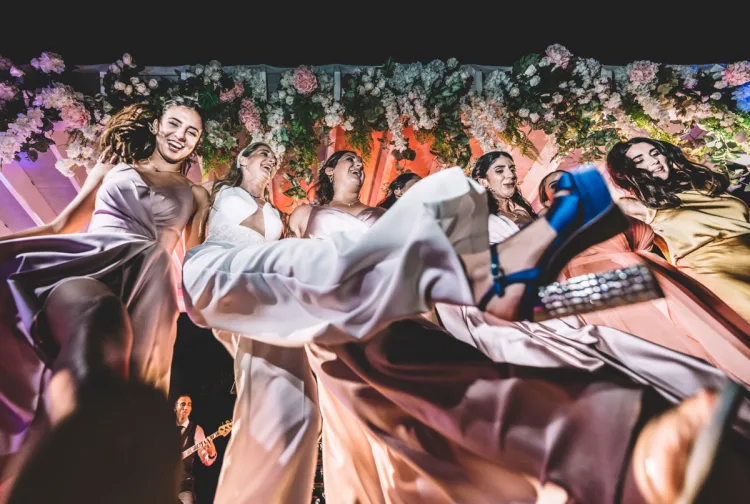
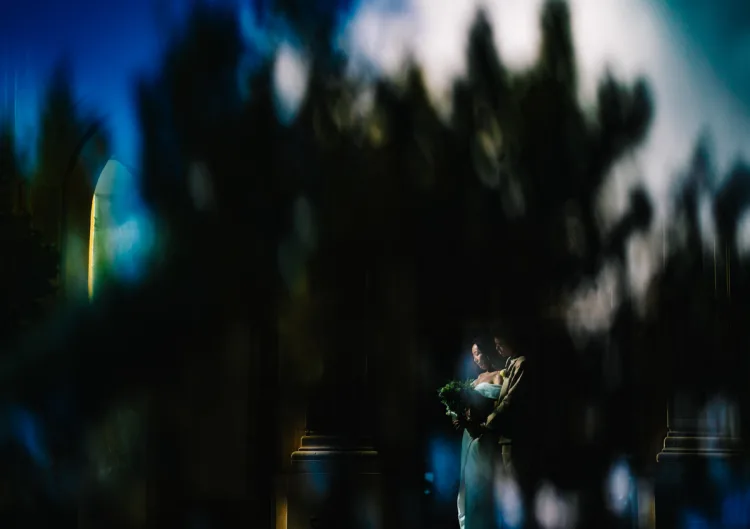
Remember, the most captivating stories are the ones told with authenticity. So, get out there, find your style, and let your camera become the storyteller of your unique visual narrative.