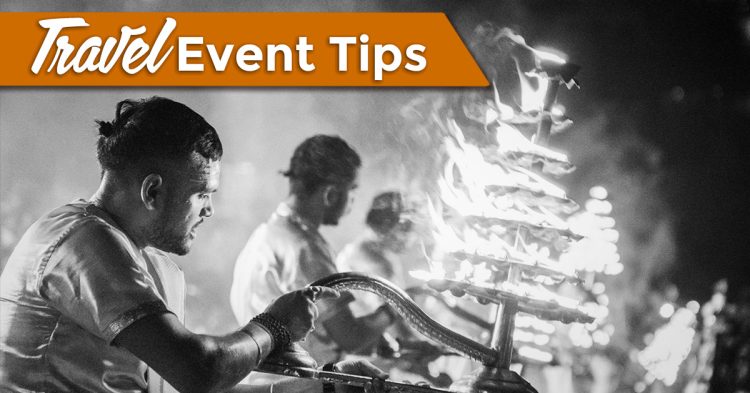
When traveling to a new or different country, you probably think about where to find beautiful places to visit but you also want something special and interesting to photograph. There are so many truly unique places in different corners of the world that it is impossible to describe them all in one article and give recommendations and tips to follow.
In this article, I will outline a few tips that will help you prepare for most situations photographing locations and events, regardless of your destination.
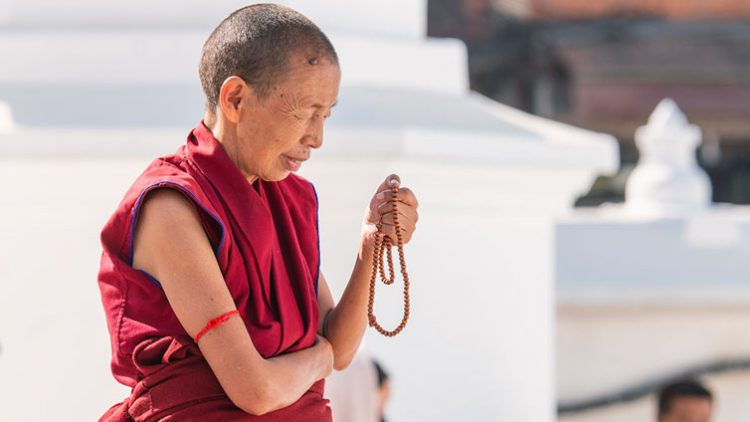
Start with some research first
Once you have decided on a country, you should gather as much information as possible about it before you go, including the following:
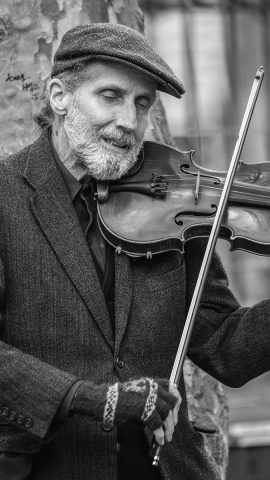
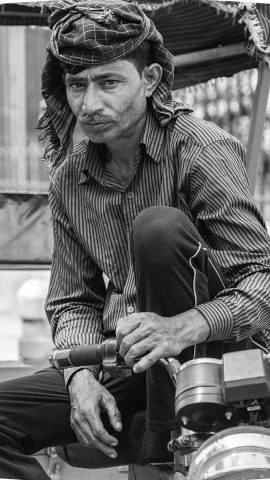
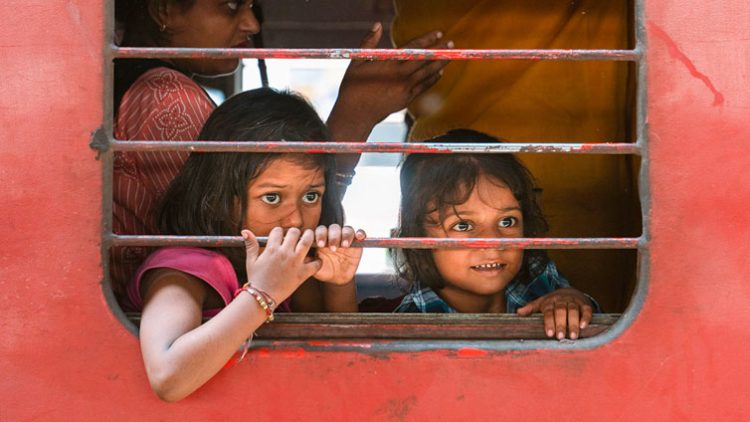
- The religion practiced in the country is a really important point because laws and events held in that country are often based on that religion. People’s reactions to photographers in France (below left) are totally different from those in India (below right).
- The law – it is essential to know the laws around doing photography at your destination. While traveling, you want to come home with lots of beautiful images, not fines.
- Crime and risks – you need to know all the nuances of situations you may encounter in the country. You might need a guide to access certain places. In some cities, there are areas where you shouldn’t go alone, especially with an expensive camera.
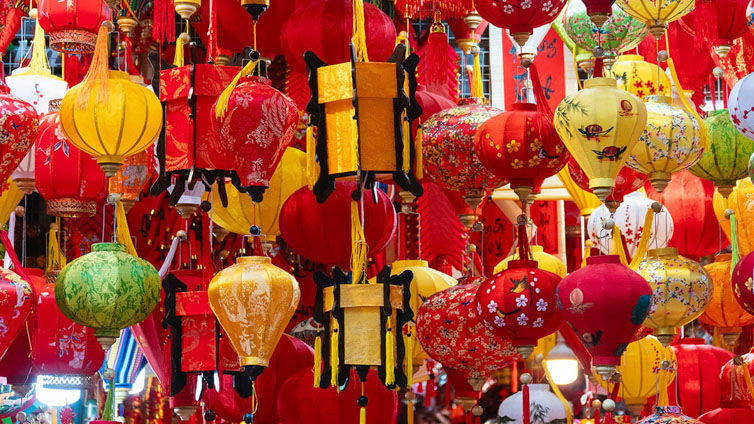
- National and other holidays – every country has its own holidays. Some, like New Year’s Eve, are celebrated on the same date worldwide. But in other cases, in Vietnam for example, the main holiday is Chinese New Year, and its dates do not coincide with January 1st as we are used to celebrating in Europe and North America. Moreover, many countries are home to numerous people who have their own holidays. If you want to photograph a particular event, check and confirm the exact dates it takes place.
- Language – learn at least a few phrases in the language of the country you are visiting. Although English is considered an international language, not everyone speaks it. But if you can greet, say thank you, and ask someone if they speak English, people will treat you differently than if you start speaking English right away.
Photography tips – settings and timing
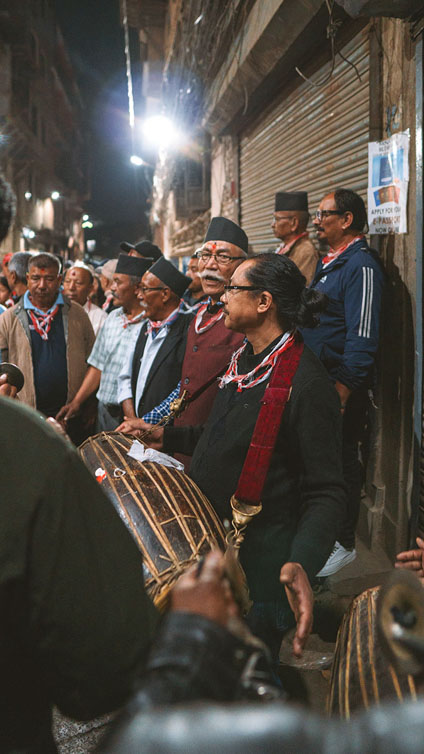
You may know the best time for photographing is dawn and dusk – diffused light, soft shadows. Knowing this rule will help you take great photos of architectural landmarks and national parks, but when it comes to holidays and rituals, this doesn’t always apply. Many events take place either in the evening or in the middle of the day. The light is either very harsh or almost nonexistent. What to do in such situations?
First, you will need a fast lens. Any lens with a maximum aperture of f/2.8 will handle most situations. If you don’t have such a lens, you can use one with an aperture of f/4, but in this case, don’t be afraid to use high ISO values. You can always practice – walk around your city in the evening and shoot at high ISO, then process these photos using Photoshop or Lightroom. This practice will give you more confidence and prepare you for situations when you lack light.
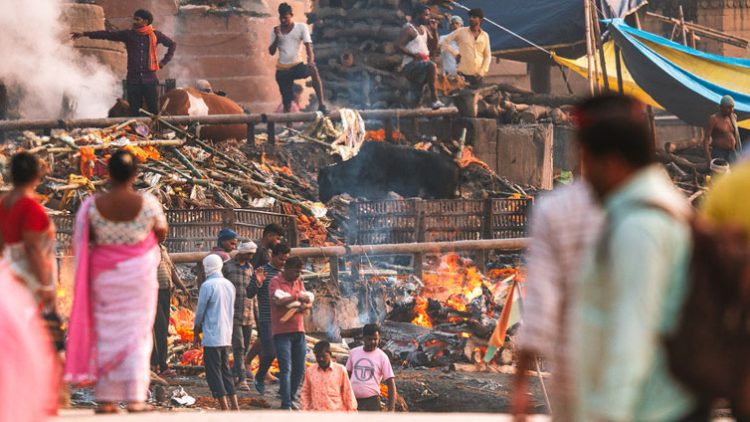
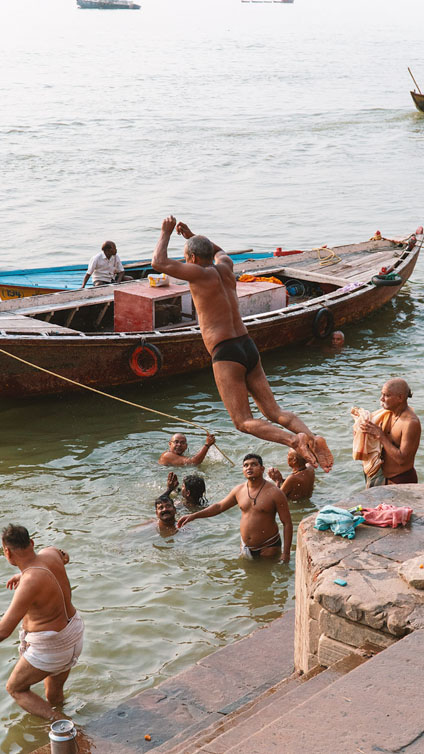
One of the biggest challenges you may face is people. Let’s look at and analyze an interesting example using the city of Varanasi (India). Every day in this city on the banks of the Ganges River, open-air cremations take place, attracting thousands of tourists from all over the world.
However, recently the locals decided to charge photographers to capture this event. This is not a state or government initiative, it was a decision made by the locals. On one hand, you might say that it’s illegal to do that, and you would be right, but unfortunately, if you don’t pay, you won’t get any photos.
What to do in such a situation?
The simplest thing you can do is pay the fee. Their rates depend only on their audacity and on how well-dressed you are. The more well-dressed, the higher the fee you will be given (they will assume you have lots of money).
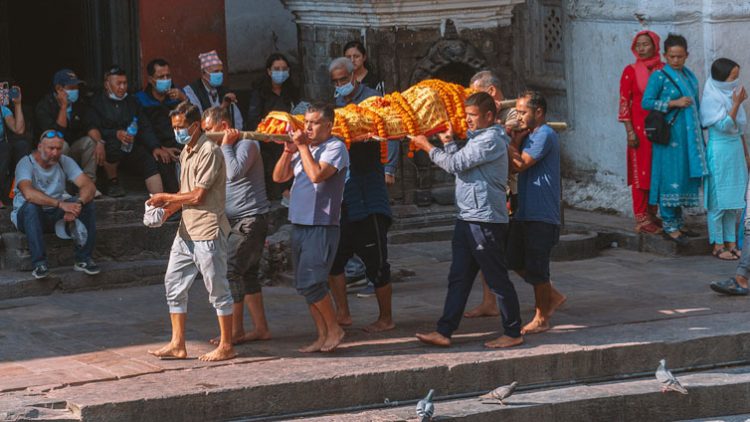
PRO TIP: Dress down to avoid drawing extra attention. Believe me, you will stand out amongst a crowd of locals anyway, but if you are wearing expensive, branded clothes – you are like a light bulb in the dark.
If you don’t want to pay the fee, another option is to use a long telephoto or zoom lens. This will help you take unique images in hard-to-reach places and will help justify the money invested in it more than once.
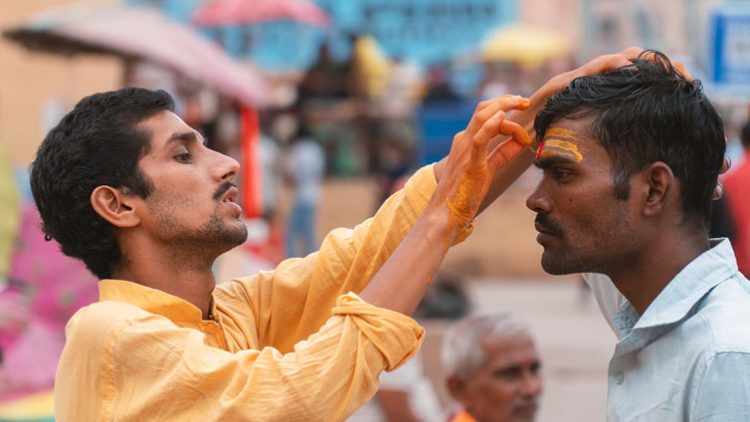
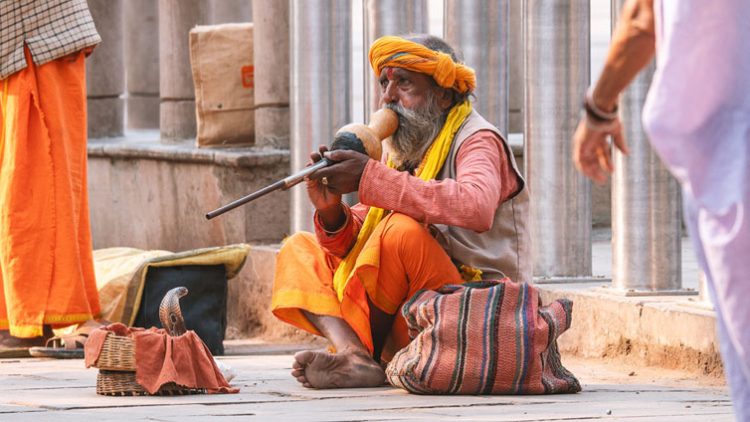
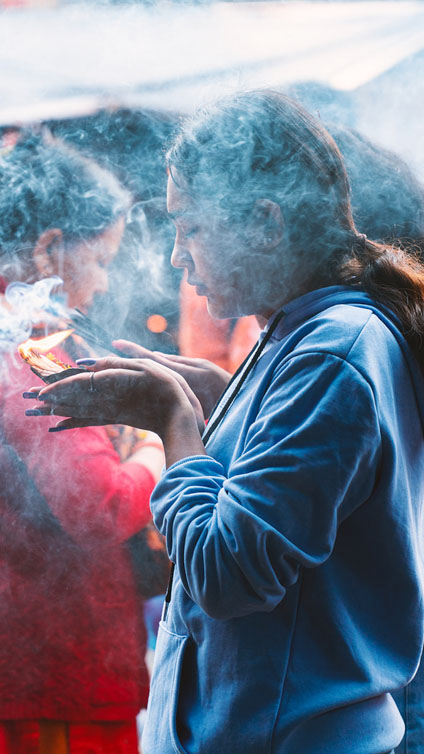
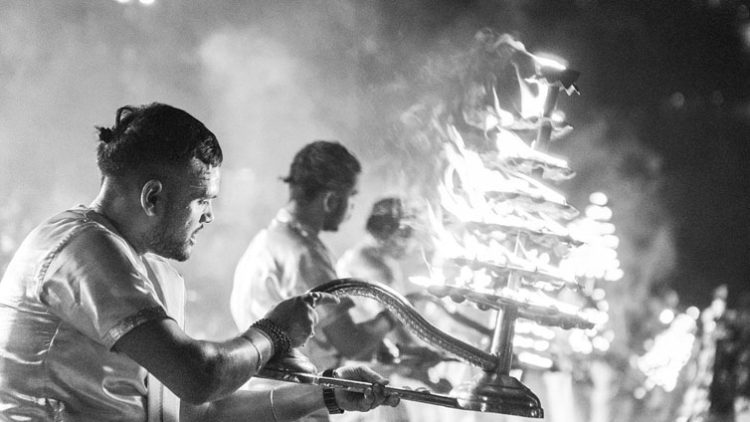
Let’s talk a bit more about India. Besides the cremation on the banks of the Ganges River, there is the Aarti ritual, performed twice a day. This incredibly beautiful sight attracts thousands of people daily. Here you will again face the problem of a huge crowd. So . . .
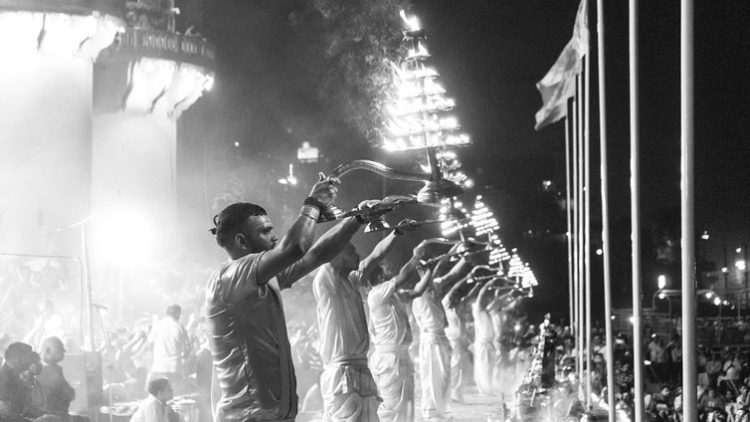
What is the best way to handle large crowds?
First, find out what time the ritual or event starts. Arrive early to get a spot, as making your way through a huge crowd is not a pleasant activity. As mentioned above, getting a zoom lens with a large range will allow you to take close-up images as well as an option to show some of the surroundings, which helps to convey the atmosphere of the event.
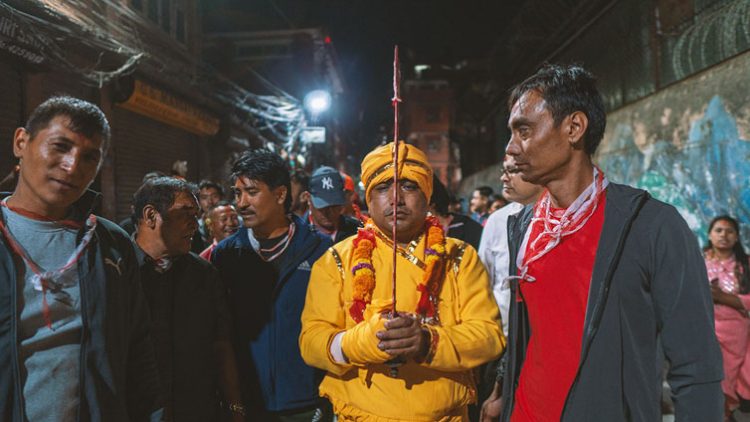
PRO TIP: Don’t take your passport and money. In a large crowd, it’s easy to lose these items or become a pick-pocketing victim.
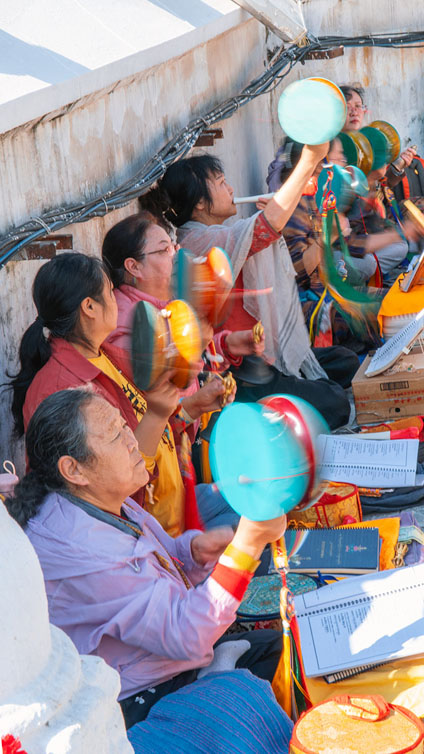
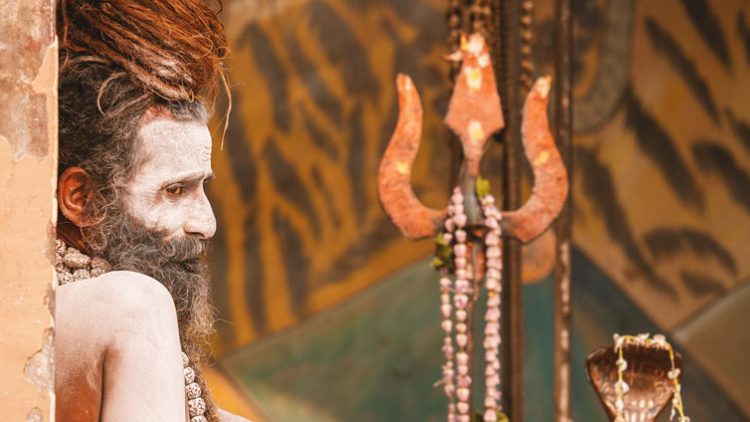
Let’s talk about Nepal. Like India, Hinduism is predominant in Nepal, meaning the same rituals and holidays are held there. However, Buddhism and other religions are also widespread in Nepal. This means that by following the rules above, you can visit Buddhist monasteries and witness prayers, attend cremations, and see the living goddess, taking stunning photos.
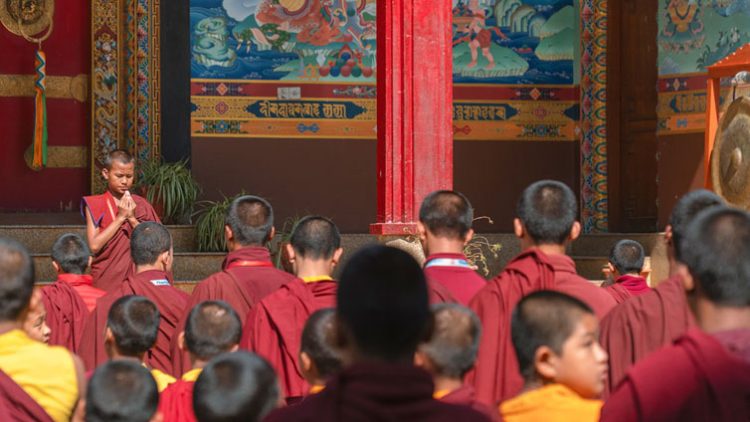
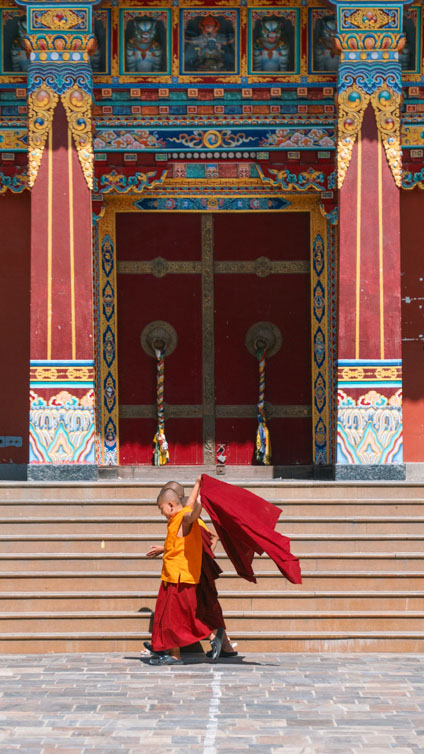
PRO TIP: One important point many people neglect is exploring on foot. Life is not concentrated exclusively in tourist spots or near main attractions. Life is all around, but you need to be able to see it.
Conclusion
Generally, these simple rules will work for most countries you want to visit.
- First, choose a country as your destination.
- Learn about its religion.
- See what holidays or rituals occur in the country and when they happen.
- Find out where not to stay (walkable is the goal remember).
- Learn a few phrases in the local language.
- Go to an event.
- Don’t forget to walk around on foot (when possible).
- It’s desirable to have a fast lens and a versatile zoom lens.
Many countries, despite the passage of time, have preserved their unique architectural and cultural heritage. But if you are interested in live photography that captures unique moments, follow the simple rules described in this article.
Study the photos taken by other photographers in the places you want to visit, and of course, fear nothing because the unknown always scares us, but it often hides the most interesting moments as well!
Cheers,