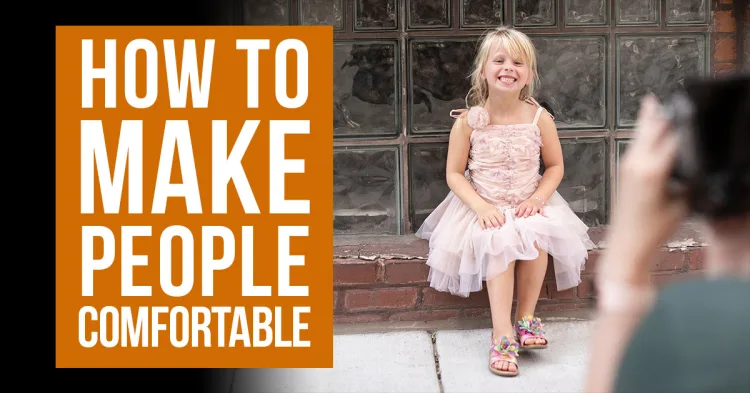
I went to a photography conference recently and one of the speakers said that making people feel comfortable in front of the camera is the same as having good bedside manners as a doctor. I couldn’t agree more!
A patient MUST feel comfortable and at ease enough with the doctor to explain all their problems and get the best treatment. You as a photographer must make the subject, client, or model feel comfortable to show their true personality, emotion, or at the very least to not look incredibly awkward.
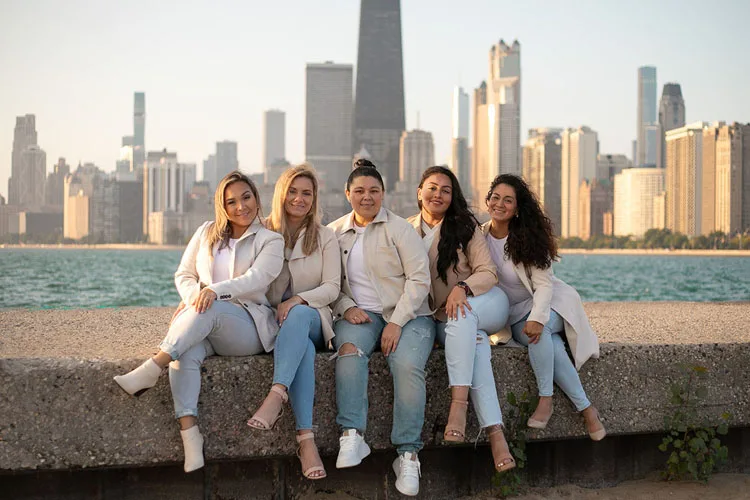
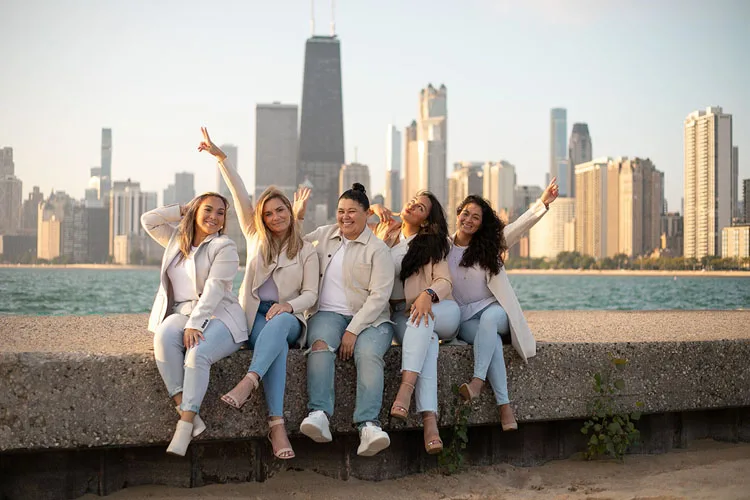
In this article, you’ll learn some tips and tricks for how to help your subject feel most at ease during a photoshoot.
Pre-consultation and preparation
Everything starts with the pre-session preparation (or a consultation if you’re working with clients). Unless the subject is an experienced model, photography is not part their normal routine. Even experienced models appreciate and respect well-prepared photographers who communicate directly and create a pleasant environment.
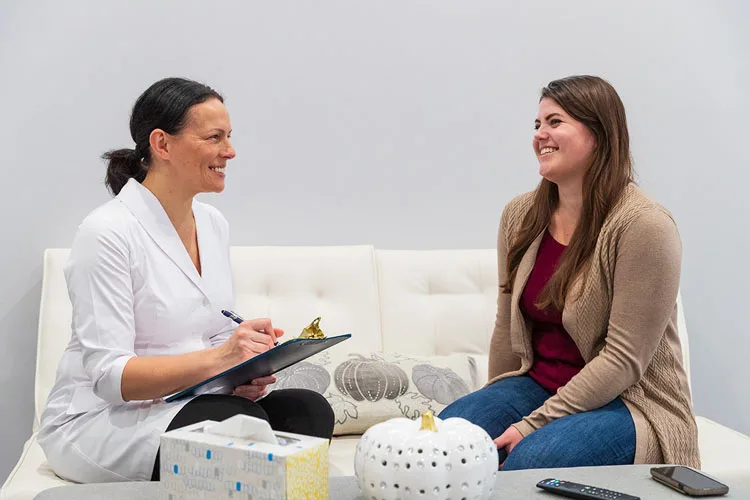
Learning about the person being photographed, giving reassurance, and setting expectations ahead of time is the key to putting your subject at ease.
Prior to the session, learn a little about your subject and their interests. What’s important to them? Have they ever had pictures taken? Is there anything they do not like in photography or about themselves in photos?
Spend some time preparing them for the photoshoot and answering questions. Be sure to go over things such as: what the process will look like, what they should wear, and provide a list of anything they will need to bring.
Take the lead by being enthusiastic
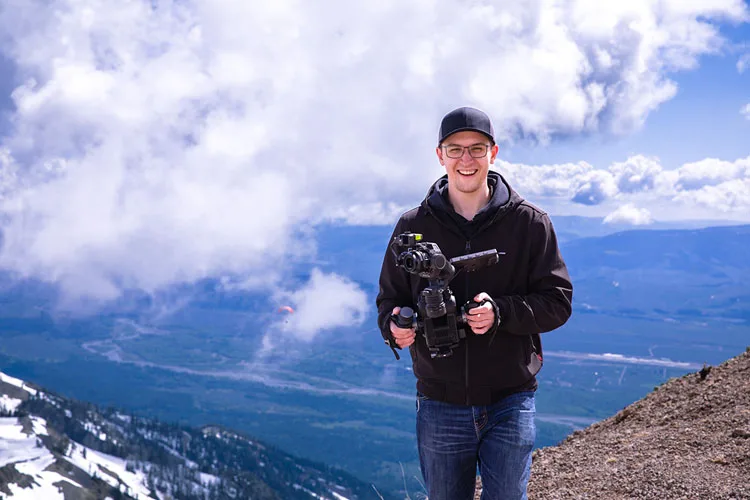
In most photoshoots you are hired or chosen for a specific reason – to get the best photographs. Being the expert, it is your duty to be confident and take the lead. Start by being friendly and enthusiastic!
Good energy is contagious. The more enthusiasm you show, the more genuineness you will receive back, which in turn will result in great photographs.
Keep talking to the subject throughout your session with them. Ask them questions using the information you learned ahead of time and get them talking about their interests. Not only will it help them to relax and distract them noticing the giant camera in front of their face, but it will also help improve their mood and energy because they get to talk about their favorite things.
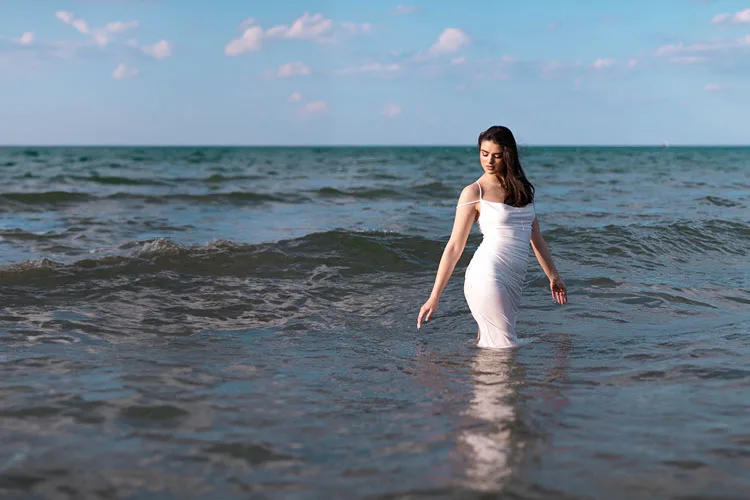
As they tell you about themselves, respond genuinely. Besides building a relationship with your subject, make sure to take time to communicate what you are doing throughout the photo session. Most importantly give compliments!
Tell them you like a pose or an expression, say they look great, amazing, stunning, strong, etc. This provides encouragement and gives them confidence that they are doing what is needed and that they look amazing while doing it. Always say positive things and never be critical.
Again, think about a doctor’s office. It’s a lot less scary when the doctor or nurse explains why they are going to poke you with a needle before they do it. It’s also a lot less intimidating when they tell you what the numbers and medical terms mean in a positive way. It’s the same in photography.
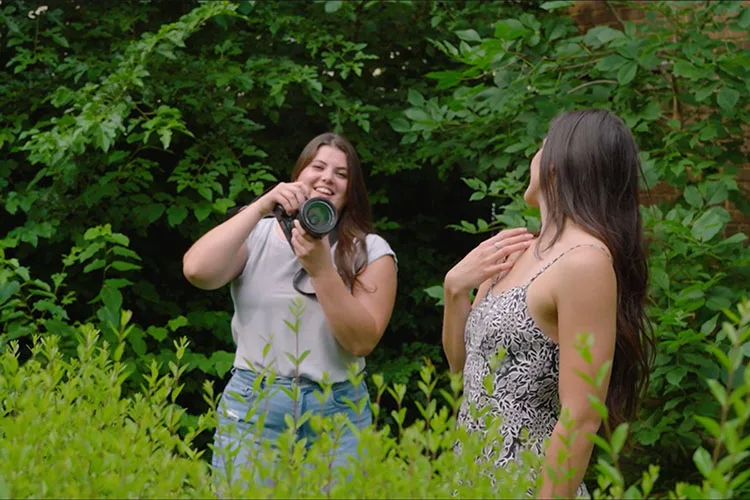
If you are completely quiet, it creates uncertainty and worry in their mind about whether or not all is going well and if they are doing things right. In the end, this will affect the quality of the photos and their overall experience. So, remember to be cordial and keep talking!
Trust me, it’s a lot less awkward for everyone than being in a totally silent echoey room.
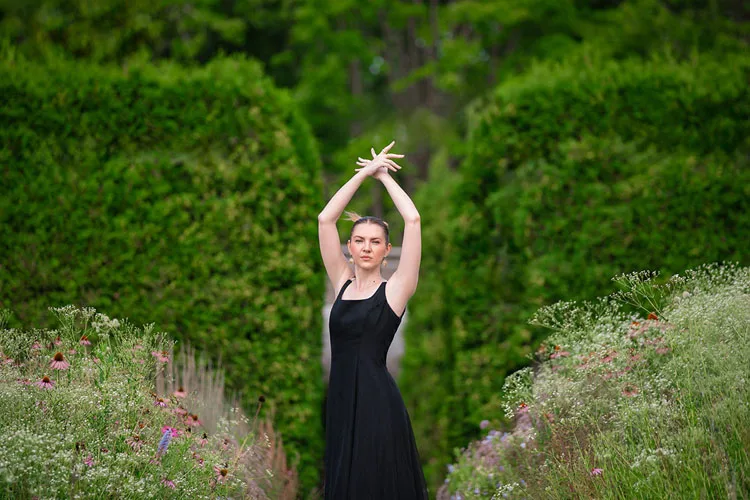
A little tip for working in a studio is to play some background music, something that they like. Nothing eases people like hearing or even singing along to their favorite tunes (you can sing too if you know the song). Plus it will fill in those conversation gaps when you stop to focus on camera settings and make adjustments.
Be aware of your own identity and the surroundings
Be aware of identities and the surroundings. For example, if you are a larger person photographing younger petite subjects, it may feel a little uncomfortable for them. Similarly, if you photograph boudoir clients, you need to understand that being minimally dressed or in the nude is very vulnerable for them. Having a late night photo session in a city or the middle of nowhere can cause a little apprehension for some people.
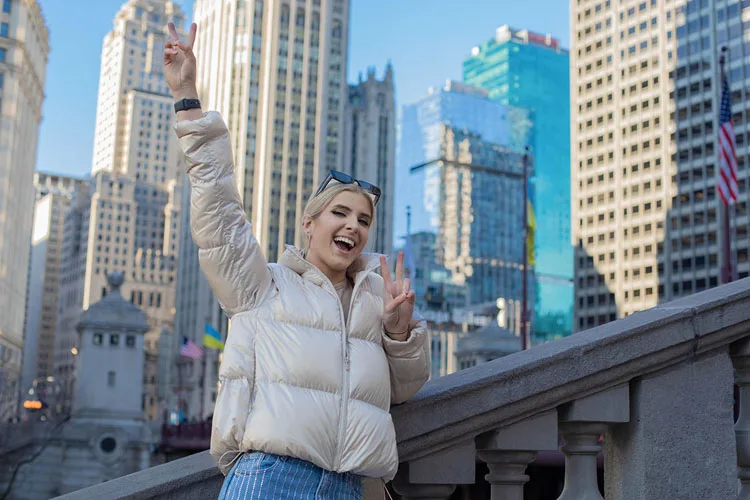
Be aware of these situations and take steps to minimize their discomfort. If need be, bring an assistant with you to the session. You could also encourage the subject to bring a friend or family member along to make them feel more comfortable.
NOTE from Darlene: Avoid doing photography in remote or private areas with someone you do not know – both for your own and for their safety and comfort. If you are a male photographing a female, bring a female assistant or partner with you and insist that the model do the same (you don’t want any false accusations later). If you are a female photographing a male, bring your parter or another male for your own security. I’ve been doing this a long time and most people are on the up and up, but I’ve also heard stories. So the bottom line is you need to be safe and make sure the model is and feels safe as well.
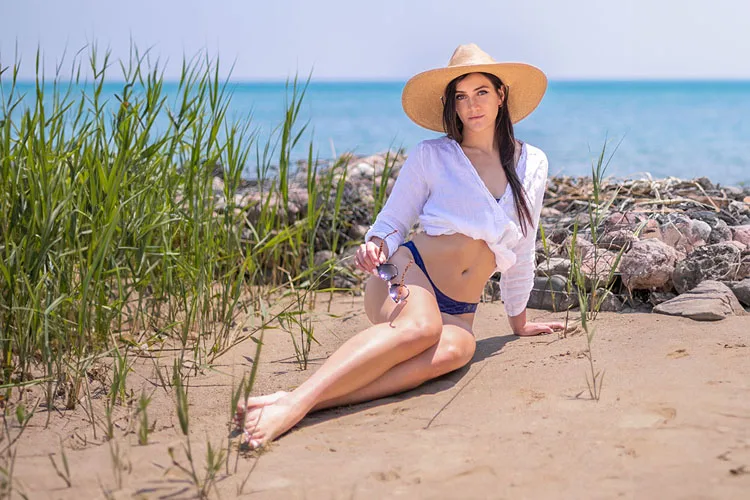
Communicate your actions and always ask permission before touching or getting near the subject (if there is a large age gap or you are opposite genders, you may want to refrain from touching them at all). Start with easy posing with all clothing layers on before getting to more complex poses and removing layers of clothing (when doing something a bit more risqué).
Be patient and demonstrate
Reading the energy is very important for a good photoshoot, and time plays a big part in that. In most sessions it takes time for the subject to warm up to you – the best photos are almost always toward the end. So, be patient and don’t rush the process. It takes time to build trust and for the subject to get into the flow of things.
Demonstrate the poses yourself!
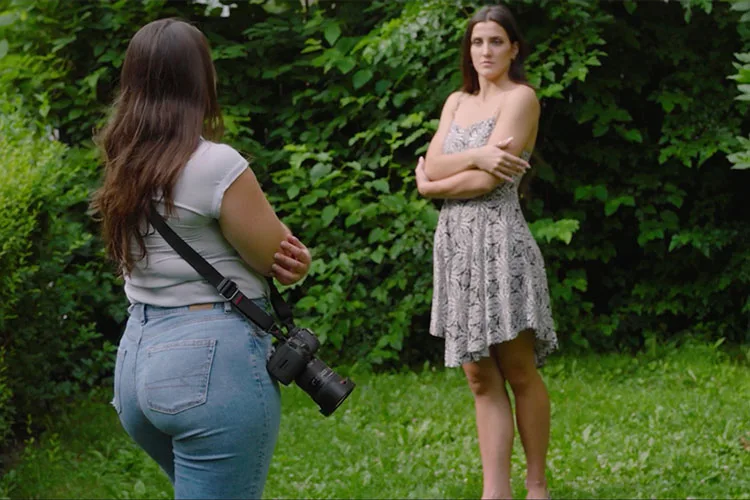
First of all, doing this saves time. You’ll get them to do what you want a lot faster than by attempting to give complicated instructions. Secondly, if you are asking them to be vulnerable and possibly pose uncomfortably (for them) or in a somewhat silly way, you have to play the game yourself. You doing it first will give them more confidence.
Make sure they are okay with your suggestions. If you can tell they don’t like it, don’t push it, try something else instead. If they have an idea then incorporate it, even if it doesn’t look the best, it will strengthen trust and add to the positive experience for them. They will feel heard (important), creative, and like they contributed.
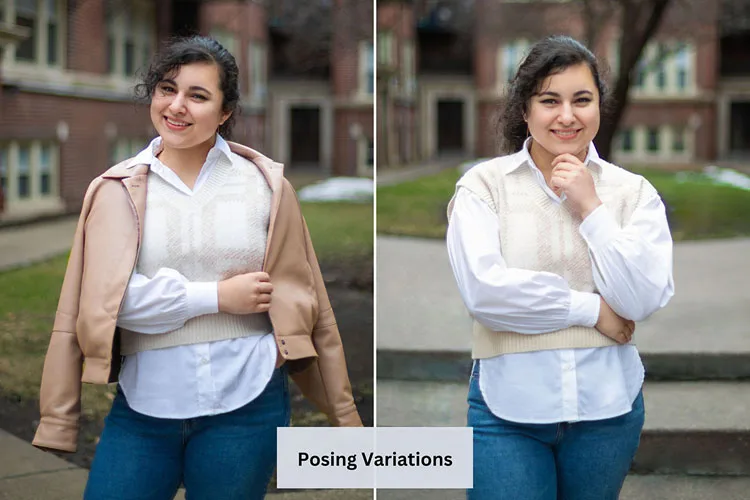
Show them the BEST Photo
During the session, the subject usually has no idea they look, and following directions and prompts may even feel ridiculous or funny to them. So, to boost their confidence, show them a photo once you get the great shot. This tip alone can do so much for their mood and level of trust towards you.
One strong photo can get them feeling really good about themselves and help them to get comfortable faster. Not only will they trust you more, they will be willing to follow your lead in the process.
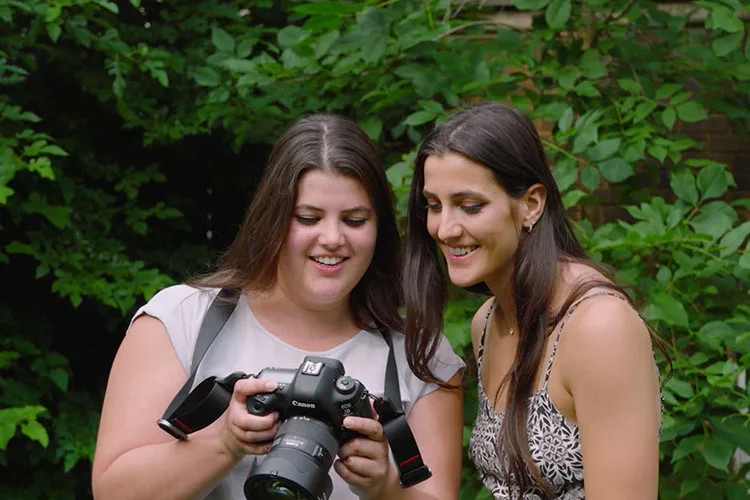
Do NOT do this before you get at least one great photo. A mediocre photo can undermine the confidence you worked so hard to establish thus far.
Also, avoid pointing out problems in the photo, especially if it is something really small you can fix later. It’s better not to mention anything because it is impossible for them to unsee the issues; address problems only if they point it out themselves.
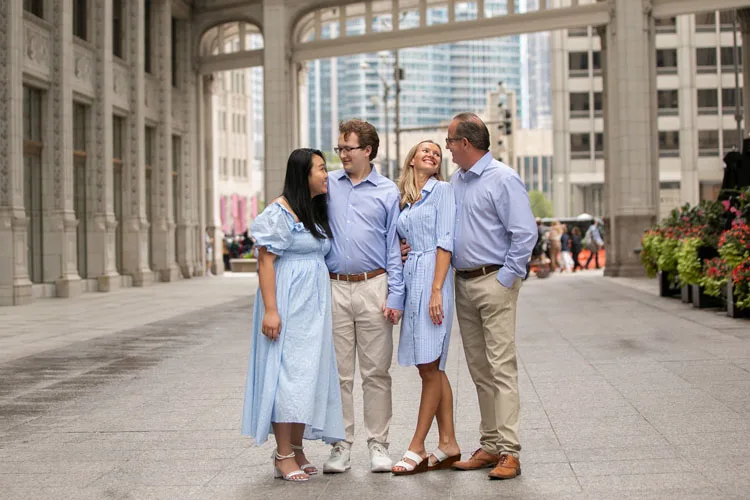
Working with kids
Who doesn’t love the challenge of working with a group of small rambunctious kiddos or a little shy fellow? Kids can be a true challenge, but if you learn to work with them, you will be prepared for any personality.
The parents are key for kids’ sessions. They will tell you all the information you need to know about their childrens’ personality, interests, and attitude towards strangers. Use that information to prepare for the session.
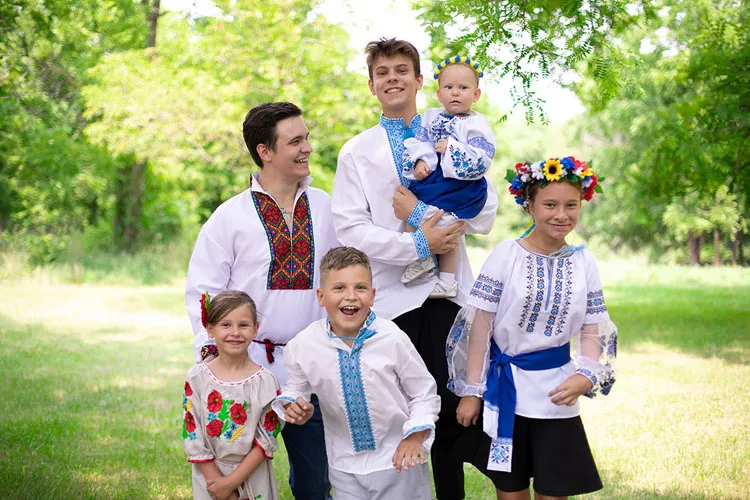
Whether that is getting active funny games ready, making challenges by saying things like, “I bet you can’t hold super still for 10 seconds” or, “I bet you can’t jump higher than me”, or keeping the session quiet and calm with soothing music.
You should also always have a parent or guardian present in the session for safety and comfort of the child. But involving them in games might be the key ingredient to making the session more fun with you, the photographer. Remember to keep the session short. Kids get tired and bored quickly.
Photograph down at their level. You don’t want to seem intimidating by towering over them, and it also makes them look smaller in the images. But be ready to break that rule to make something creative if it works for the session.
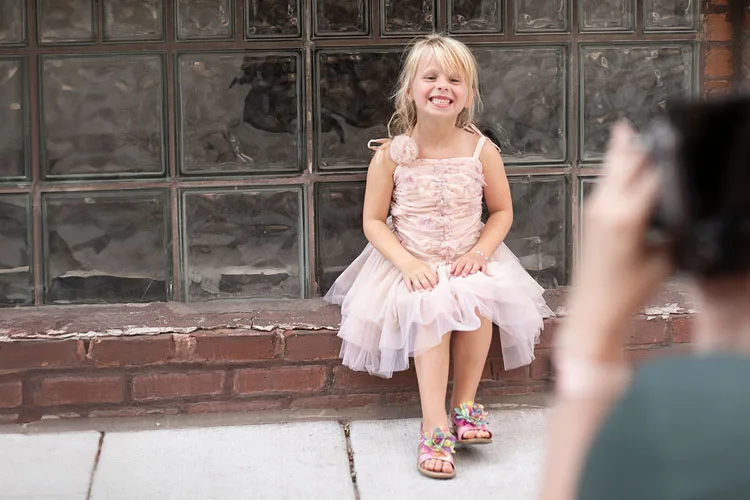
Again, above all, read the room. If the kid is in the worst mood ever, just call it and reschedule the session.
Conclusion
In conclusion, creating great images is not just about technical expertise. Helping people feel comfortable in front of the camera and creating a positive and relaxed environment for them goes a long way towards success images. Think of it as a partnership between you and your subjects – you’re in it together.
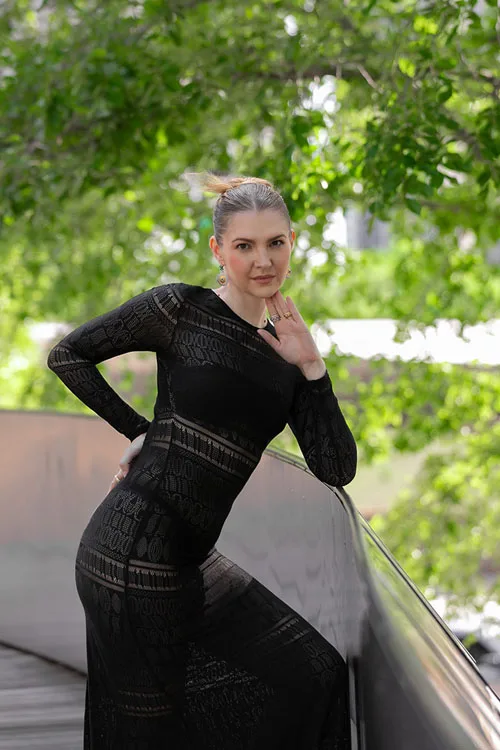
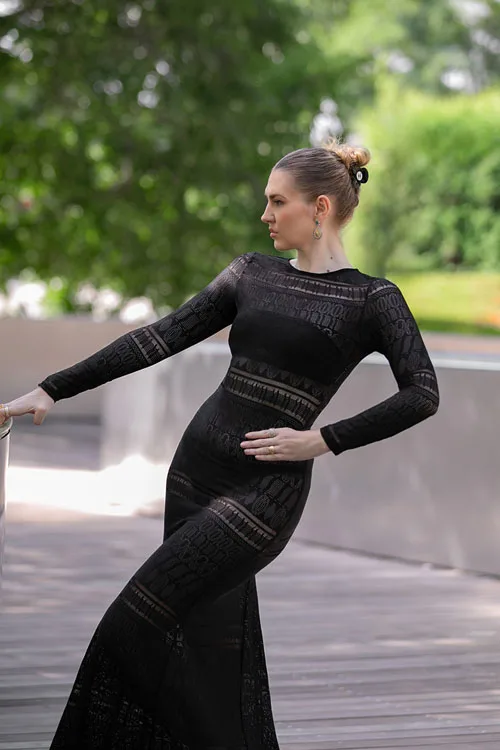
Making them feel at ease, valued, and engaged will result in more genuine expressions and better photographs. Remember to prepare, lead with enthusiasm, be aware of your surroundings and identity, be patient, and adapt your approach when needed.
